

Topics surface technology
In our surface technology theme world you will find current technical articles from the industry, sorted according to different specialist areas such as painting, electroplating or corrosion protection. You are welcome to send us your topics - please also note our author guidelines.
Showcase of surface technology
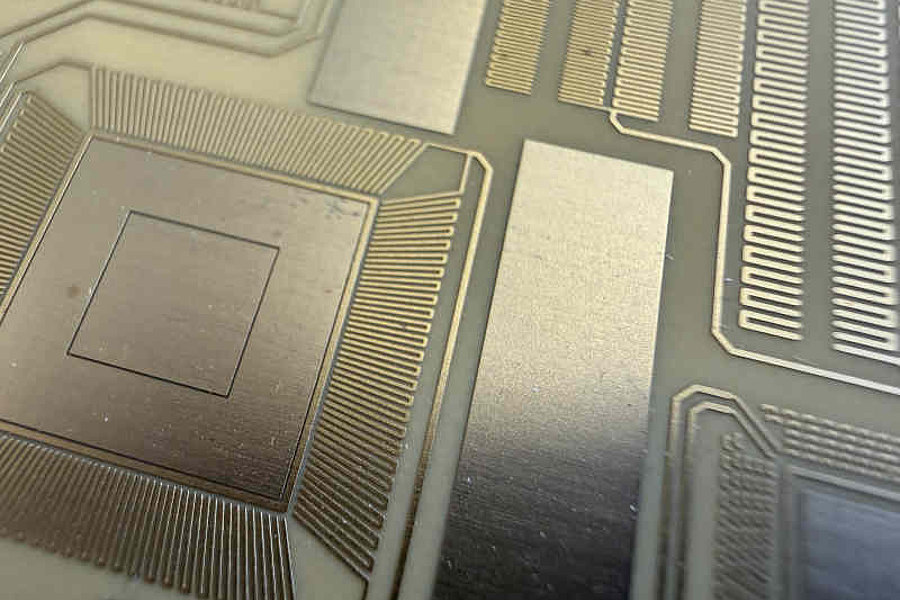
Snow for Good Connections

Dörken – future-proof without compromise

Digitalization That Drives Processes

Magnesium unter Extrembedingungen

Flexibilität in unsicheren Zeiten – Lohnreinigung als sichere Alternative

Exciting new design possibilities

Pero Introduces New Technology: SCOPE

Taking steps into the future
Current technical articles
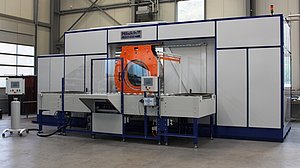
Borderline for ultrasound: Manometer housings in 1,000-litre grid boxes were to pass through a cleaning system without being transferred to cleaning containers. With 26 kilowatts of ultrasound, soiling could be removed right away.
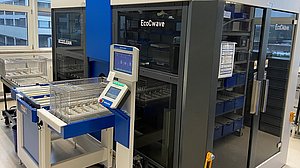
The new Medical Device Regulation increases the cleaning requirements for manufacturers of medical devices. The turnkey solutions of a renowned plant manufacturer for cleaning and packaging help to meet these requirements.
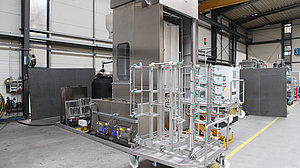
In the engine compartment of an electric vehicle, new elements made of lightweight materials are responsible for the rigidity and strength of the body. In order for these to be bonded and welded properly, thorough aqueous cleaning beforehand is indispensable.
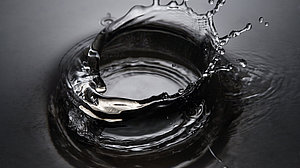
In spray painting, the paint droplets have an impact speed of about 20 to 30 metres per second - surprisingly low when you consider how quickly they start at the atomiser. Fraunhofer IPA and Esslingen University of Applied Sciences are researching the underlying processes.
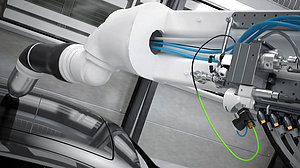
The number of colour changes in the production lines of car manufacturers is increasing. Thousands of litres of paint are lost and high costs are incurred. With the right technology, however, this can be avoided.
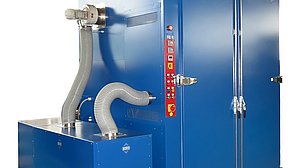
High reliability and energy efficiency in drying components at moderate temperatures using closed drying circuits and heat pumps.
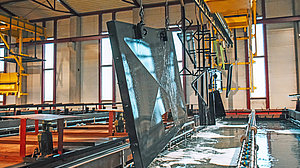
Agricultural equipment that is permanently exposed to extreme conditions requires a particularly high level of corrosion protection. The Austrian company Brantner now relies on KTL coating and powder coating and also offers contract coating.
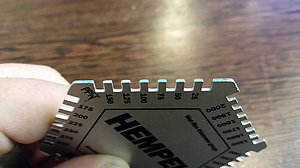
Standards sometimes offer some room for interpretation. If the client and contractor do not recognise and clear up these ambiguities, there is a lot of potential for problems.
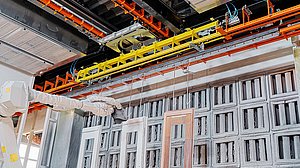
A Dutch manufacturer of windows and door frames switches to robotic painting. Overall, the targeted upgrading of the painting line succeeded in reducing paint consumption by 50 per cent while doubling throughput.
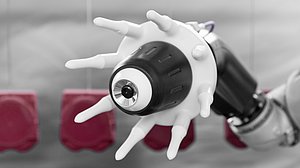
The Wagner Group supplements its range of high-speed rotary atomisers with special variants with external charging for the processing of water-based paints. They can be used for painting metal workpieces, automotive components and wood.