
When the distant future suddenly becomes the present
The history of mankind and also technical development is full of trend reversals. Think of the displacement of cargo sailing ships by steamships - and then the displacement of steamships by diesel-powered ships. The replacement of telephone booths by cell phones is another example. Last but not least, of course, the displacement of horse-drawn carriages, which represented the state of the art for centuries, by the automobile is a prime example.
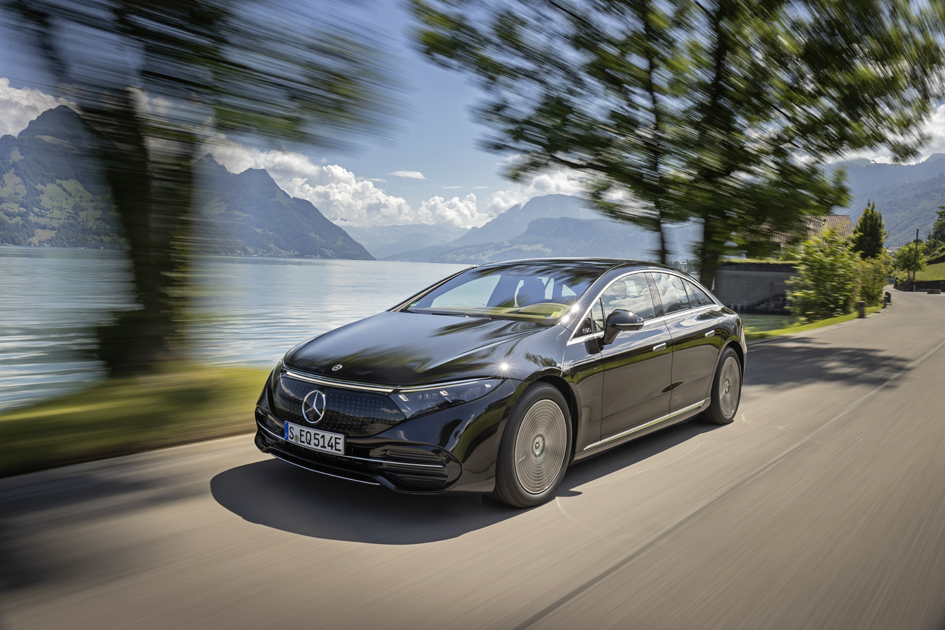
Just a few years ago, electric mobility tended to be regarded, depending on whom you asked, as a kind of eco-radicalism. But then came the major and the many minor scandals surrounding the issue of exhaust emissions. Even though the scandals have now largely been settled, they had an extreme and lasting impact on public and political opinion on the subject. But not only that, e-mobility has gained significantly in attractiveness and image, especially recently, and the number of sightings of pure electric vehicles in everyday life is increasing rapidly - not to mention hybrid vehicles. And more and more major automakers are making commitments to end production of the internal combustion engine. How is this possible? There is no question that the internal combustion engine is now technologically very far exhausted in terms of efficiency and pollutant behavior, and that further significant improvements are extremely complex and also expensive.
This is in complete contrast to the topic of electromobility, where technological development in terms of physical and technical limits is still far from being fully developed. Certainly, there are still unsolved problems, from raw material issues to extinguishing burning vehicles to charging times. But if a potent industry such as the automotive sector works consistently to achieve its goals, there will soon be solutions to many problems - whether that will be the sodium battery, the fuel cell or something else does not matter in the final analysis. In any case, for the first time in its history, the internal combustion engine is really on the brink of extinction.
The structural change that the departure from this masterpiece of moving parts, bores and fits will trigger will be massive. Not to mention how much know-how has also been built up in our industry over decades and will now be lost in the medium term. But would we really be grateful to our grandfathers if we were still traveling from A to B in horse-drawn carriages today? Taking a positive view of progress and promoting it sometimes takes some effort, especially in turbulent transition phases - but in the medium and long term, there is no alternative for a successful future.
Be the First to Comment