

The discussion about the 5G mobile network is predominantly characterized by political or legal disputes about the installation of cell phone masts and whether these frequencies actually have a different effect on the human organism than those of previous cell phone networks. In the past, it was also claimed that railroads were harmful to health - not because of the emissions, however, but because of the speed at which they travel, which is amusing from today's point of view.
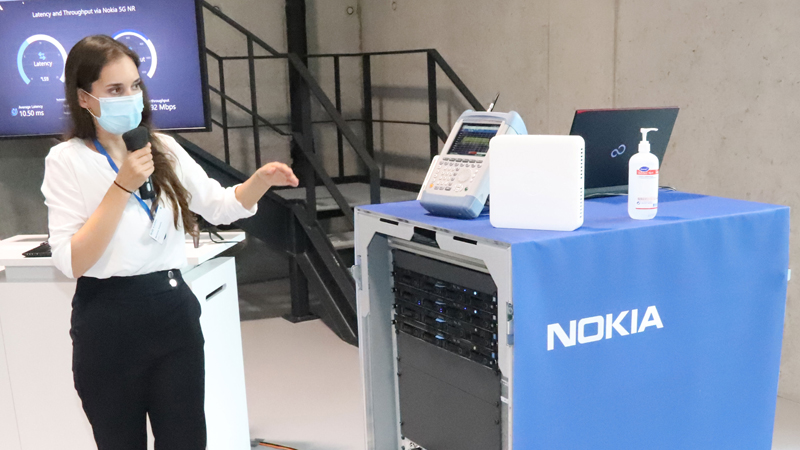
From today's perspective, the 5G network offers impressive data transmission speeds - but not only that. It enables the connection of millions of devices per square kilometer and does so with virtually no latency - in other words, almost no delay. As a result, the 5G network has the potential to become the backbone of digitization and simplify many things in the area of networking industrial plants, autonomous conveyor units and Big Data. At the same time, the 5G networks that the major telcos are currently building will only be able to offer fragments of 5G's capabilities for many years. So-called campus networks, on the other hand, which operate with local 5G cells, can already offer full functionality today. Only in the case of clients is the hardware offering still very limited, but that will change. Let's welcome the future and forget the fear of speed!
Be the First to Comment