
As part of a Cradle to Cradle commitment, ZINQ wants to further decarbonize processes and products together with its suppliers. "For example, we use low carbon primary zinc from the zinc manufacturer Boliden for this purpose. The zinc is produced in Norway exclusively with renewable energy from hydro and wind power. At the same time, we are increasing the quantities oflow-carbon secondary zinc we use and optimizing our zinc alloys to reduce the consumption of valuable zinc," reports Lars Baumgürtel, managing partner of the ZINQ Group.
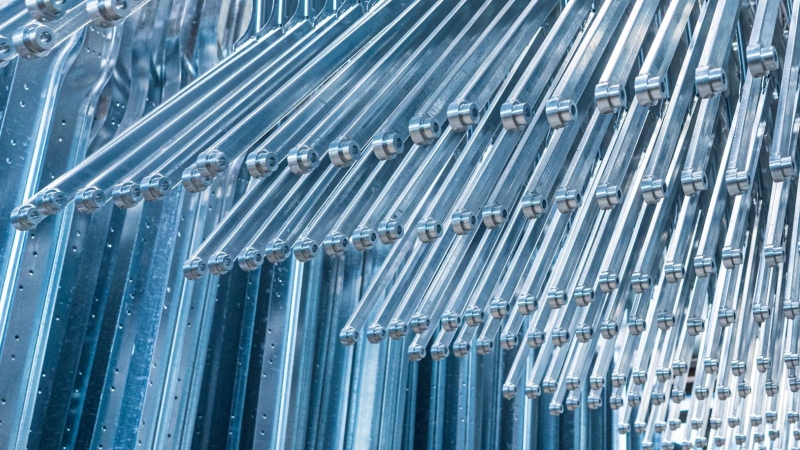
Based on Environmental Product Declarations (EPD), ZINQ balances CO2 emissions and savings of duroZINQ and microZINQ hot-dip galvanized surfaces. In terms of CO2 savings, ZINQ says it is 25% above the industry average. Planet ZINQ's circular business model is the practical implementation of end-to-end circular economics - documented in circular product passports. As a result, since last year the company has been able to credit all customers'CO2 accounts with the savings.