

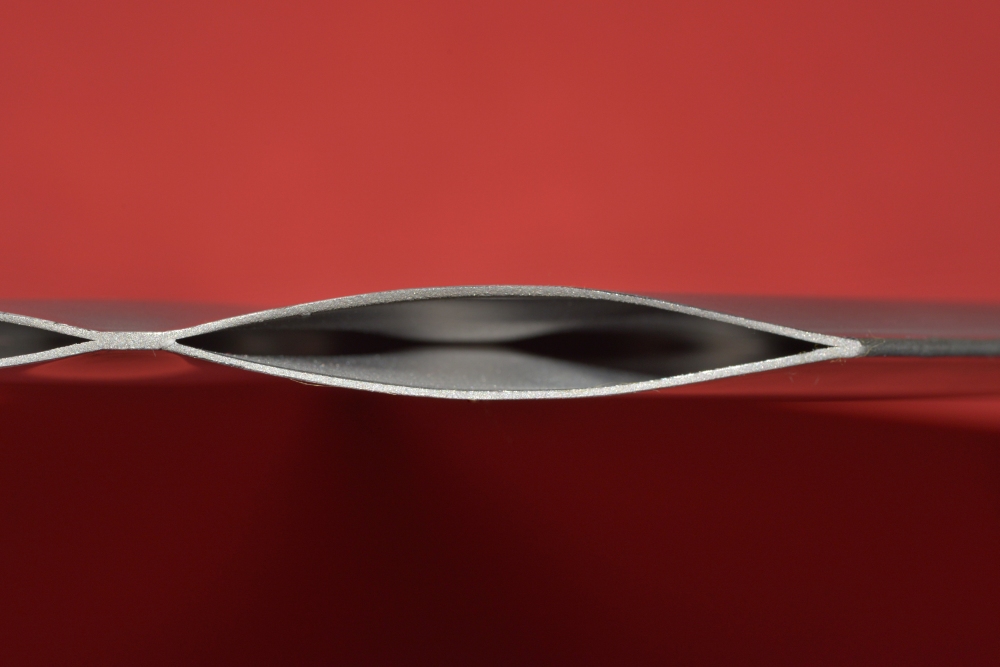
In electroplating or anodizing baths, aggressive acids and alkalis are used to process surfaces. For the plant engineer, planning these baths means using components and materials that can later withstand the influence of sulfuric acid, phosphoric acid, caustic soda or nitric acid in the long term. One of the components used for heating and cooling in plants for electroplating and surface treatment as well as in the food industry, aquaculture and cleaning technology is the heat exchanger. Especially for this application, there are now heat exchangers that have a high chemical resistance and at the same time claim a small footprint. They are made of superaustenitic nickel-chromium-molybdenum-copper steel, a high-alloy 1.4539 material that is resistant to seawater and has high resistance to pitting and stress corrosion cracking. Due to their plate-shaped geometry with an overall depth of only 60 millimeters, the heat exchangers have a high surface density.
Read the full article in MO 9-2022 or online here!