


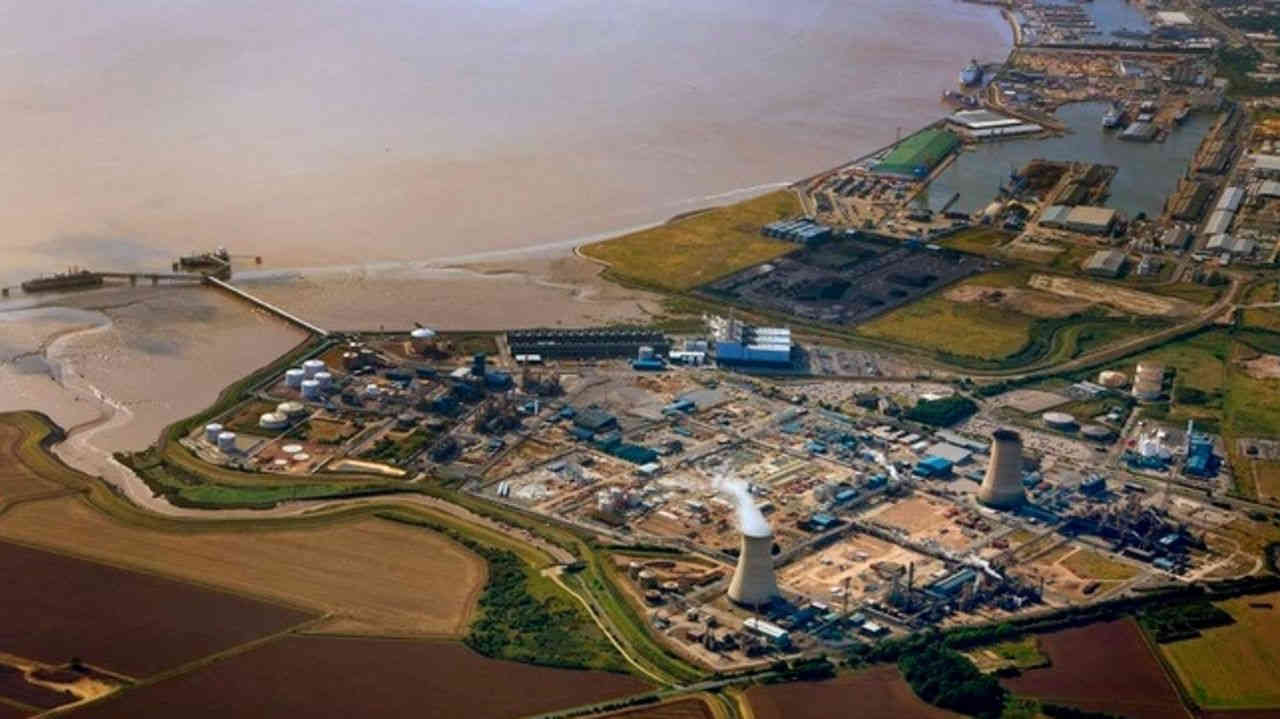
The chemical company Ineos is temporarily suspending production at its three large-scale acetyl plants in Hull. At the time of the announcement, two plants had already ceased operations, with the third scheduled to follow shortly afterwards. The plants produce chemical intermediates for numerous European industries, including the coatings and adhesives industries, pharmaceuticals and construction. The facilities and their associated operations have so far supported nearly 4,000 skilled jobs, including apprenticeship programs.
The primary reason for the suspension of operations is the high price of natural gas in Europe. At the site, gas is used both as an energy source and as a raw material in the production process. European gas prices are now twelve times higher than those in the United States. Compared to coal-based production in China, the cost factor is eight.
Energy Prices Threaten European Chemical Production
“With gas prices that are now twelve times higher than in the U.S. and eight times higher than in China, we simply cannot compete,” explains Sir Jim Ratcliffe, Chairman of Ineos.
The company has repeatedly invested in its facilities in Hull to improve their efficiency and carbon footprint. The chemical intermediates produced there have a carbon footprint half that of comparable products from the U.S. Compared to Chinese production, the figure is one-eighth.
The suspension takes Europe's last remaining world-scale production capacity for these acetyls intermediates offline. This development also affects European industrial value chains that depend on chemical raw materials and intermediates.