

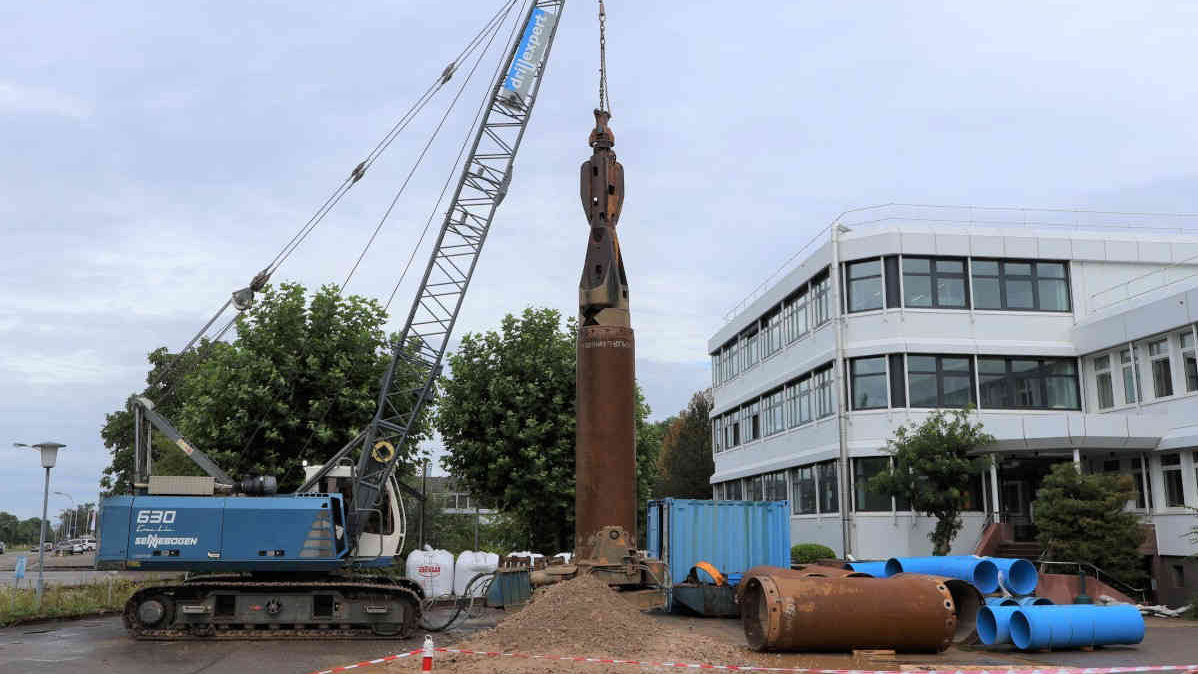
The geothermal system is the next step following the installation of a photovoltaic system in 2023, the company states. Together, the two systems enable Busch to align its energy supply with renewable, resource-efficient sources and reduce its dependence on fossil fuels.
Heating and cooling with one system
The geothermal system provides heating in winter and cooling in summer for eight buildings with a combined floor area of more than 10,000 m2. To increase efficiency, the vacuum pump manufacturer also modernized the buildings themselves: facades and roofs were upgraded for improved energy performance, and an intelligent building automation system was installed.
“Our goal is to provide environmentally friendly, modern heating and cooling for our buildings,” explains Dr. Martin Gutmann, Managing Director of Busch Produktions GmbH. In combination with the photovoltaic system already in place, the geothermal system provides a suitable solution for this purpose, he says. The geothermal system replaces a significant share of oil and gas consumption. It is expected to reduce CO₂ emissions at the Maulburg headquarters by more than 237 metric tons per year.
The installation of the system required careful planning both above and below ground. Two boreholes, each with a diameter of 1 m, were drilled to a depth of around 23 m and positioned as far apart as possible. This distance prevents the warm groundwater from hydraulically and thermally mixing with the cooled reinjection water from the system’s heat exchanger.