
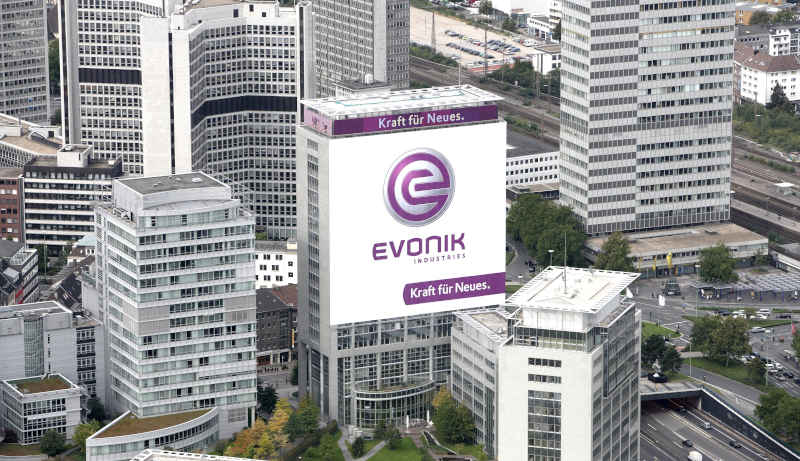
Evonik is working on new profiles for its six major production sites in Germany. The goal is to improve competitiveness through greater specialization and collaboration with universities, startups, and industry partners. Ralph Marquardt, deputy head of site transformation at Evonik, outlined the plans at the WirtschaftsWoche Innovation Day in Erlangen.
“We need to redefine our chemical sites,” Marquardt explained. Accordingly, production sites are to evolve more into innovation centers where research and industrial applications are brought closer together.
Digital Formulation Development in Essen
At its Essen site, Evonik is planning a center for digital formulation development. Among other things, this is intended to streamline the previously labor-intensive manual production of additives for coatings and mattress foams. In collaboration with Ruhr University Bochum, research activities are also to be expanded at a technology transfer center.
A demonstration site for green industry is planned for Marl, including hydrogen infrastructure. Rheinfelden is to be developed into a silicon center, where the recovery of silicon from photovoltaic modules could also play a role.
In Hanau, an electrochemistry hub involving startups is planned. Darmstadt and Wesseling are set to develop into specialized innovation centers for specialty chemicals.
Evonik Reaffirms Its Independence from BASF
The realignment is part of a comprehensive corporate restructuring through which Evonik aims to improve its competitiveness. By the end of 2029, a total of approximately 6,000 jobs are to be cut as part of the ongoing and announced measures. The implementation of the site strategies is a long-term endeavor; Marquardt cited the year 2045 as the target horizon.
Meanwhile, on November 7, top executives from Evonik and BASF met in person for the first time to discuss BASF’s interest in a takeover. According to the Handelsblatt, the meeting took place in the Frankfurt area. Evonik reiterated its rejection of the offer, which had been increased to approximately 11 billion euros, and outlined its independent strategy for value creation. BASF once again advocated for a merger. Both sides parted ways without a plan for concrete takeover negotiations.
Sources: WirtschaftsWoche, October 30, 2026; Handelsblatt, November 9, 2026.