

Germs disarmed
Thermal spraying effectively protects spray nozzles and valves in the food industry from unwanted contamination and wear
Diversity is the hallmark of mechanical engineering, and so is thermal spraying. Thanks to the numerous possible combinations of materials, almost every technical challenge within a machine finds its solution by means of a thermal spray coating.
Packaging and hygiene play a particularly important role in the food industry. Materials used here not only have to be food-safe and resistant to acids, alkalis and hot vapors. They must also be easy to clean. Components made of high-performance ceramics meet these requirements. They offer outstanding hygienic properties and are used above all in hard-to-reach places in food processing plants. These are usually valves or seals that can only be cleaned and freed of germ residues with a great deal of effort. This is a major challenge for manufacturers of food products, because nowhere in industry is hygiene as important as in the food industry and its associated packaging technology. The processing companies therefore expect the suppliers of their production technology to provide products that are easy to clean, antimicrobial and at the same time do not contaminate the food. The solution here is antimicrobial ceramics. Their use helps prevent mold and the accumulation of germs at the outset. Another challenge is cleaning the equipment. The VDMA estimates that cleaning accounts for 20 to 30 percent of the time spent in food production. This means that cleaning the equipment accounts for a significant proportion of the time available for production. Since cleaning can only be done by dismantling the systems, valves and other inaccessible points are usually the weakest link in the chain.
(Kopie 3)
Optimizing the cleaning of equipment
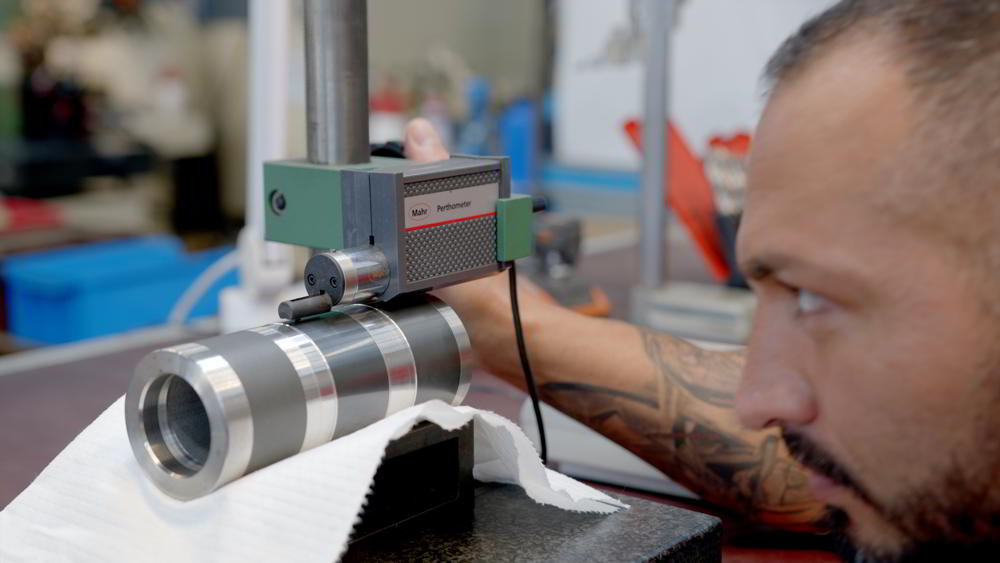
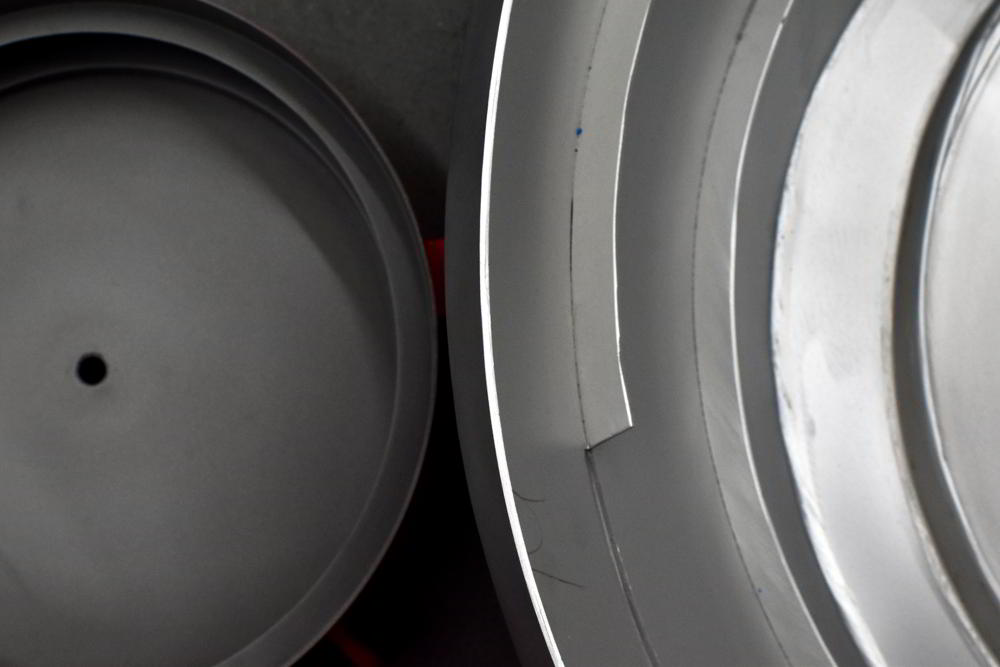
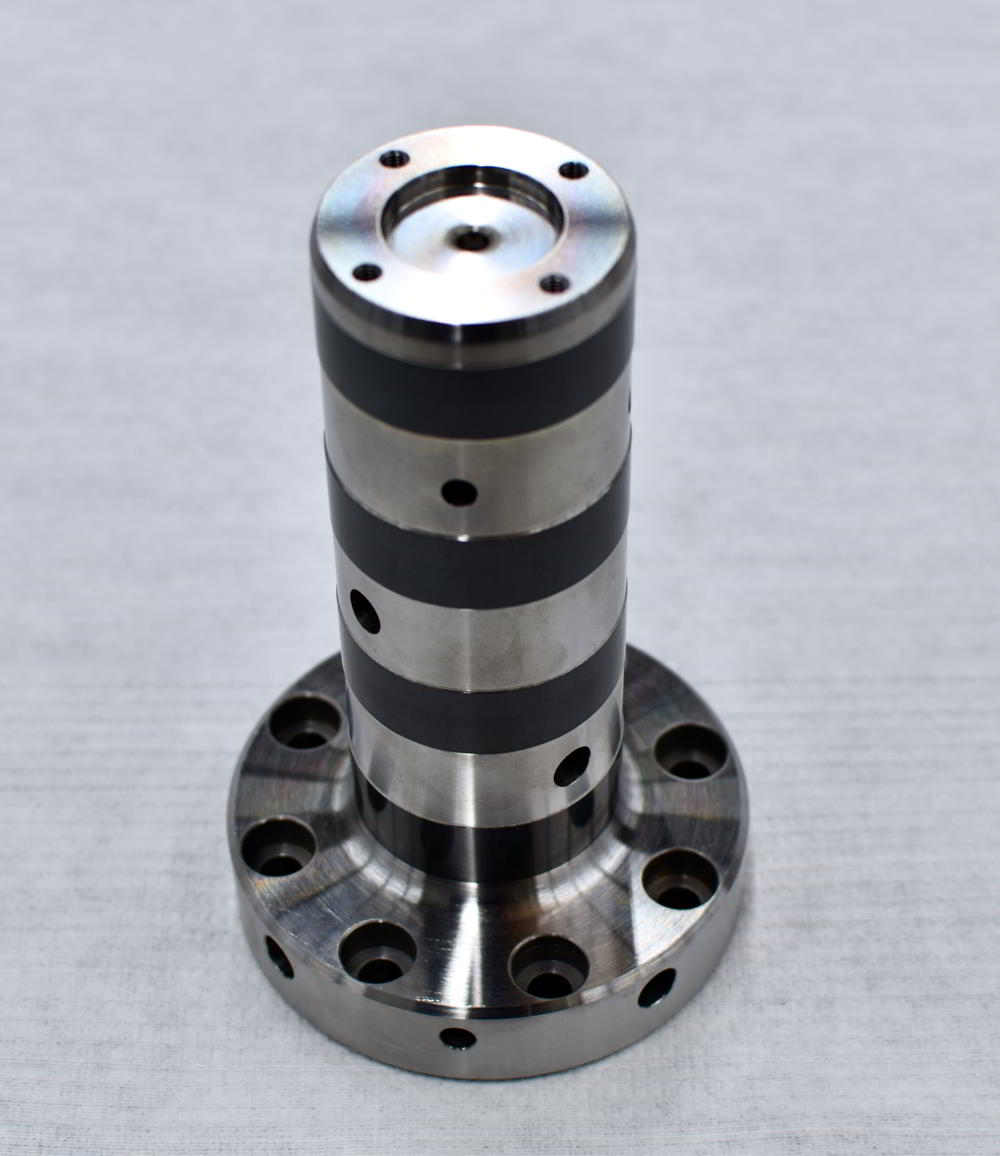
The basis for optimizing cleaning processes is formed by components that cannot become contaminated in the first place or in which no germs can settle. Smooth surfaces with roughnesses below 0.8 micrometers are just as much a part of this as dead-space-free designs and systems that run completely empty. Ceramics are used in various components from spray nozzles to valves. Especially inside the equipment, ceramics remain the number one material. To optimize cleaning and adapt it to requirements, the use of antimicrobial ceramics also helps. It is also important that ceramic wear protection coatings, for example shaft heels or piston rods for agitators or mixing plants or the sealing surfaces of pumps for liquids, are resistant. This is because the main stress on thermally sprayed coatings in the food industry is abrasive wear. The machine components mentioned are often located in "dead zones", which are difficult to monitor or clean, especially during operation of the plant. In individual cases, the component even has to be removed. In such a case, a replacement component is usually installed during the cleaning phase to minimize downtime. Many of the cleaning agents used (such as hypochlorite or quaternary ammonium compounds) are questionable in terms of environmental compatibility. After all, food must ultimately be hygienically sound and free from undesirable residues caused by cleaning agents and disinfectants. Thermal spraying offers an as yet untapped potential to realize antimicrobial coatings for highly stressed components. This has also occupied rhv-Technik. With its knowledge of thermal spraying and mechanical processing, the company helps to get wear, corrosion, non-stick conditions, conveying possibilities or electrical conductivity under control and to turn machines into high-end devices.
The hidden talents of thermal spraying
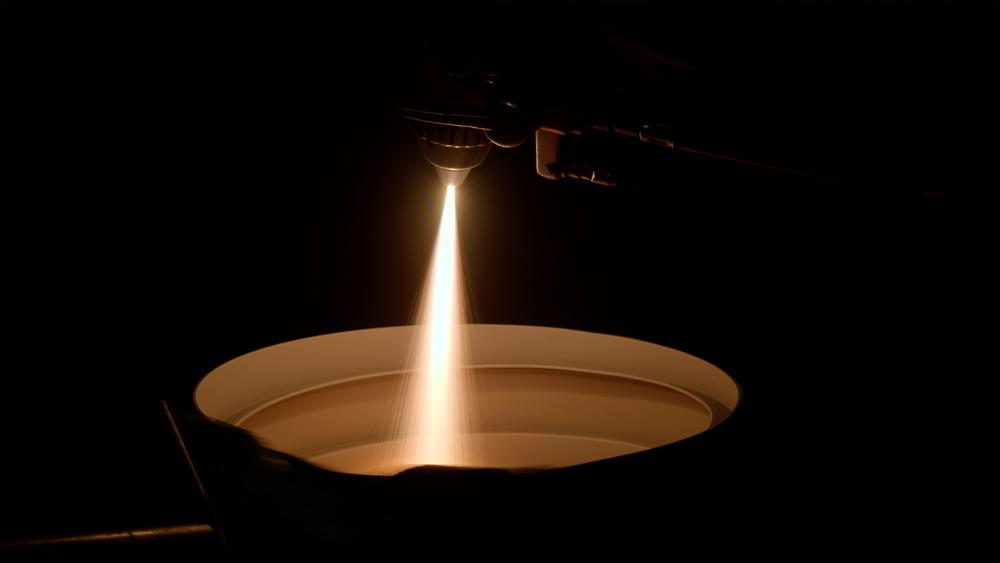
The company will be showing how it solves the above problems at Surface Technology in Stuttgart in June. It will be presenting there a wear-resistant ceramic coating with an antimicrobial effect that has already achieved excellent results for sealing systems in food technology, for example. At the heart of the innovation is the realization that thermal spraying offers as yet untapped potential to realize antimicrobial coatings for highly stressed components. Thermal spray processes are "processes in which spray additives are heated to a plastic or molten state inside or outside the spray gun/torch and then projected onto a prepared surface" (DIN EN ISO 14917:2017, [9]). The spray additive particles impinging on the surface form a layer on the surface. Their layer thickness can reach a high range: from a few micrometers (≈ 20 μm) to several millimeters (≈ 2-3 mm). The choice of thermal and kinetic energy source is very diverse: a plasma, a combustion flame, an electric arc, a laser, an explosion or a heated gas can be used. There are also numerous options for spray additives: They can be in rod, wire, suspension or powder form. The most common form is the conventional spray powder.
Suitable for all materials
A major advantage of thermal spray processes is based on the flexibility of the atmospheric coating process. By means of adapted thermal spray processes, almost all substrate materials (metals, ceramics, glass, wood, plastics) can be coated with almost any material and material combination. A wide variety of coatings made of metals, ceramics, cermets and plastics are industrially established. Due to the high degree of freedom in the selection and combination of substrate and coating materials, thermal spray coatings are used in a wide variety of industrial and commercial applications. Thermal spray coatings can be used either rough or mechanically processed. Subsequent mechanical processing by turning or grinding can produce highly accurate and application-specific dimensional tolerances and surface finishes. Through the development of a special antimicrobial thermal spray coating, rhv-Technik was able to increase the bandwidth of this versatile technology many times over, thus opening up new application possibilities in food technology. The company develops custom-fit solutions together with its customers.
Rybak + Hofmann rhv-Technik GmbH & Co. KG
www.rhv-technik.de