

Fighting off bacteria with easy-to-clean surfaces
How a thin polymer layer keeps bacteria out
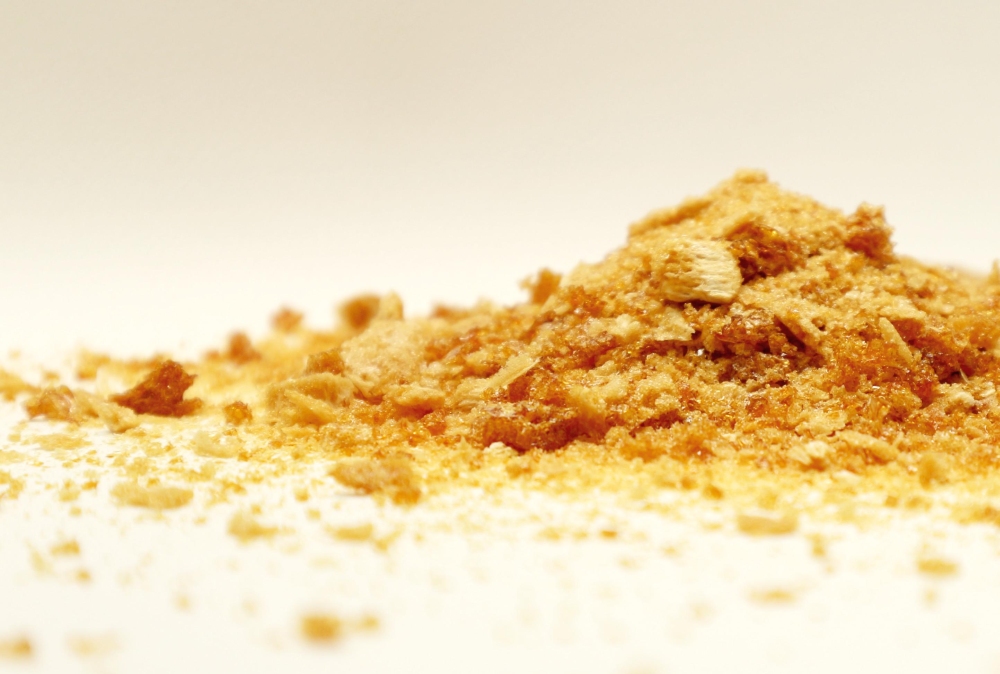
The hydrophilic polymer from a start-up is sprayed onto plastics and painted metals in a dissolved form. It permanently protects them from bacterial and biofilm adhesion. The coating process takes just a few minutes and can be applied to medical devices and furniture as well as to touchscreens and light switches.
Diseases can be combated most effectively right from the start. This means giving germs and bacteria no chance to spread. As the pandemic has impressively shown, surfaces contaminated with germs in particular pose a potential risk for the transmission and spread of diseases. There are a number of ways to make surfaces germ-repellent.
One of these is to coat surfaces with antibacterial agents. In most cases, these antibacterial coatings release bactericidal substances such as silver and antibiotics, or are themselves bactericidal, as in the case of titanium oxide. But the WHO repeatedly warns against the overuse of antibacterial agents, as they are the main cause of the development of drug-resistant bacteria, which are one of the greatest threats to global health.
Easy-to-clean instead of bactericidal
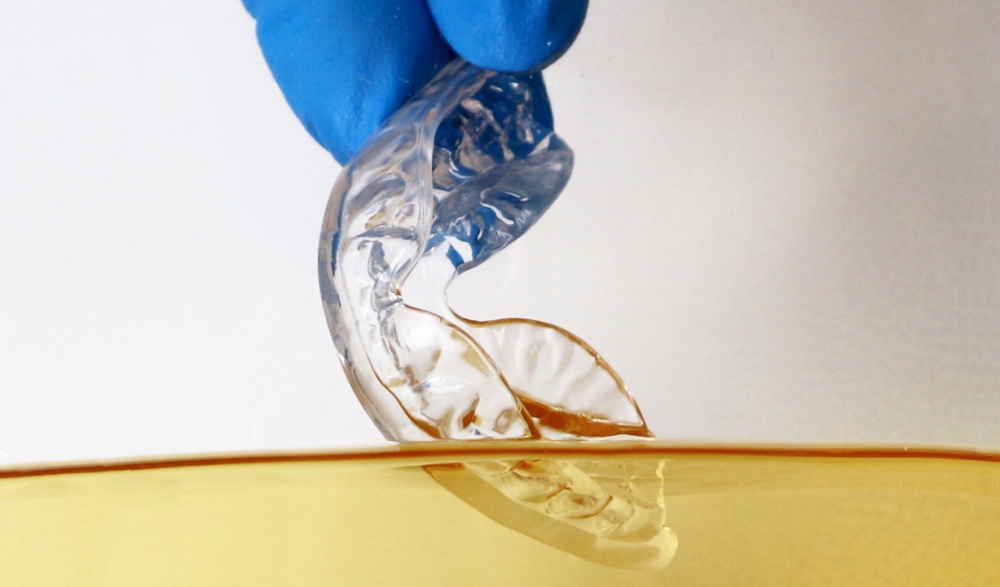
However, not every application designed for surfaces requires the use of toxic agents. Flux Polymers, for example, does not use bactericidal coatings. Instead, a passive coating simply allows bacteria to slip off - in short, not bactericidal, but easy-to-clean. But how does this process work in detail and what makes it so easy?
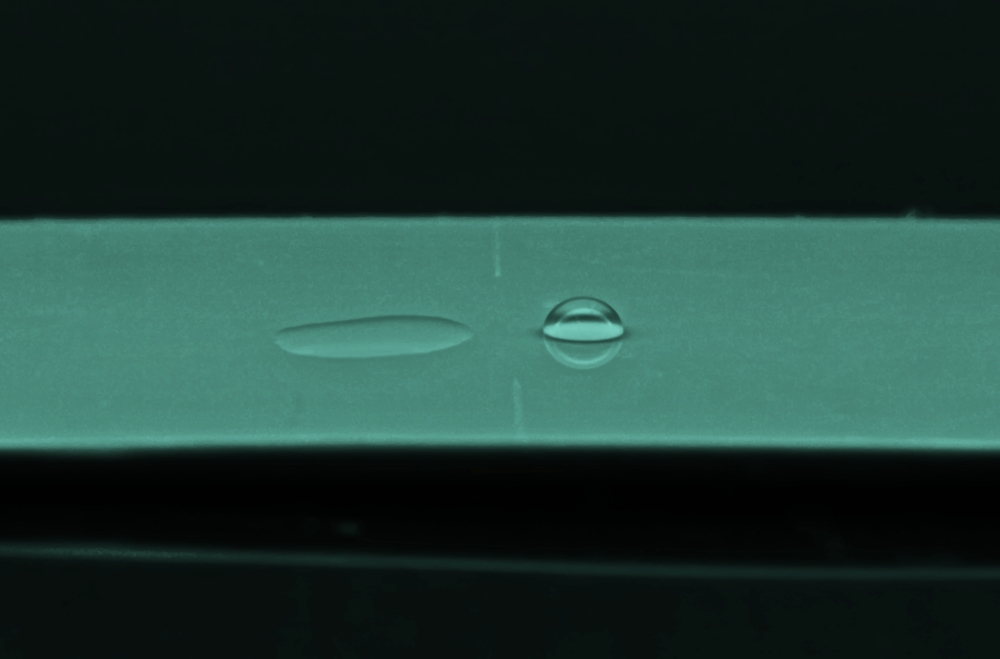
To prevent bacteria from adhering, Flux Polymers uses a UV-reactive, hydrophilic polymer. This is first dissolved and then applied to the respective surfaces to be treated. This can be done by spraying or dip coating. In addition, the material to be coated does not have to be pretreated or activated - simple cleaning is sufficient. Subsequent exposure to UV light in the final step permanently bonds the coating to the surface within a few seconds. In this process, the interfacial tension of the plastic is increased in a matter of seconds, which improves its wettability with water and prevents bacteria from gaining a foothold.
Since the process is very simple overall, it can be easily integrated into existing production processes. Rapid subsequent coating of produced objects is also possible in this way.
Without the use of toxic substances
The result is very effective: The patented coating prevents the adhesion of bacteria as well as biofilm due to a purely physical effect. No toxic substances are released and therefore bacteria cannot develop resistance. The process is also fast and has no adverse effect on the treated material. The coating is only ten nanometers thin, which ensures that neither the look nor the feel of the coated material is altered. In addition, thanks to the treatment with UV light, it is permanently bonded to the surface and can withstand light, heat and other physical effects as long as the main material is not removed.
The process is suitable for almost all plastics and composites and can even be applied to metals with the appropriate primer. This opens up many possible fields of application. The coating is not only suitable for medical devices and hospital furniture; touch screens and keyboards or door handles and light switches are also effectively protected. Water and wastewater pipes and tanks or membranes and filters are further fields of application. The coating offers additional useful properties: an anti-fog effect and adhesion improvements for adhesive joints are also currently being investigated and tested. In addition, the polymer used can be modified, so that in the future it may also be applied to other surfaces or have an additional active effect against bacteria.
On the way to application
With the approval of the patent and funding for the startup in the early summer of last year, important prerequisites have now been created for bringing the process to application. Flux Polymers is currently testing the new coating in collaboration with companies from a wide range of industries.
Flux Polymers GmbH
www.flux-polymers.com