

Attractive design option
Im PVD-Verfahren metallisierte Kunststoffteile eröffnen neue Wege in die automobile Zukunft
Metallized plastic surfaces are becoming an increasingly popular field of application for PVD coating. Particularly in automotive engineering, this visually and technically high-quality design solution creates an attractive option. Compared with previous processes such as electroplating, it also offers new functionalities and greater environmental benefits.
PVD (physical vapor deposition) technology has many uses, for example to protect tools and components from wear. However, it can also be used to metallize plastic surfaces, usually in conjunction with additional coating layers and, more recently, also with UV coatings. The coatings produced in this way not only offer significant technical and optical advantages, they also provide an environmentally friendly alternative to conventional electroplating. As a result, they are among the alternative solutions that do not contain harmful substances such as chromium(VI) and comply with the REACH regulation. In addition to the decorative aspect, PVD coatings can also demonstrate functionalities that are extremely flexible in many application areas. In addition to the electronics and sanitary industries, one field of application is attracting more and more market interest: automotive engineering.
E-mobility changes design language
The focus here is on new, current requirements beyond shiny decorative trim. E-mobility and autonomous driving, for example, are changing the functionalities and specifications for some components. For example, alternative drive concepts basically make an engine radiator with a radiator grille superfluous. However, the visually striking body part is now gaining importance for the design language and for new functions, such as equipping it with sensors for precise detection of the surroundings. Against this backdrop, the future of vehicle interiors and exteriors is set for creative change.
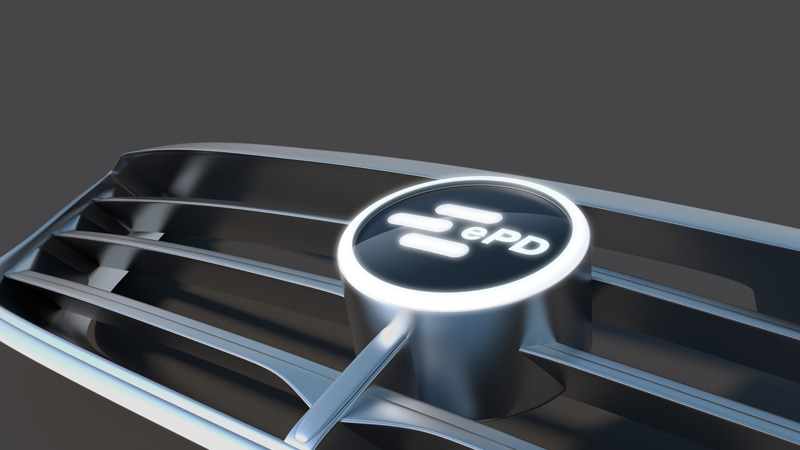
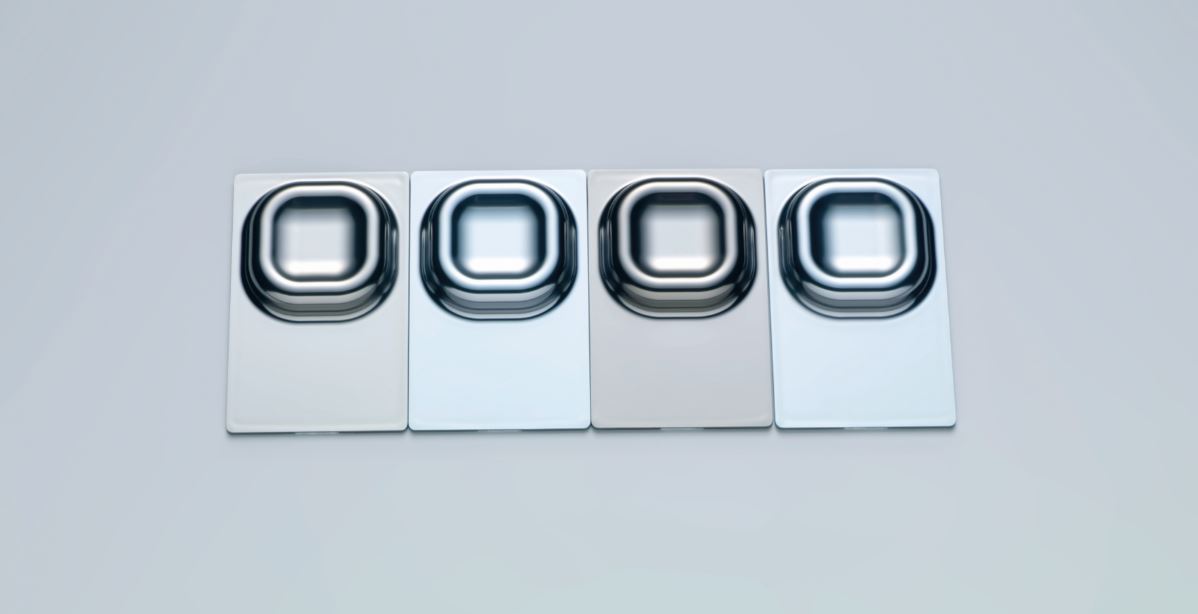
The ePD technology (ePD = embedded PVD for Design Parts), developed by Oerlikon Balzers, creates a three-layer structure of UV varnishes and an embedded PVD layer and makes it possible to respond flexibly to different requirements in vehicle interiors and exteriors. For example, structures can be lasered into the micrometer-thin PVD layers that reveal their optical or decorative effects only when the metallized partially transparent plastic parts are backlit. ePD solutions also allow sensors to be laminated behind components because they are transparent to electromagnetic waves (radar-transparent layers).
An embedded PVD coating can also be made light-transparent in a variety of ways, for example for light-emitting buttons into which symbols have been introduced by laser. Optical depth effects combined with modern color designs can be achieved despite a smooth surface. In addition to decorative glossy surfaces, matte or purely functional designs are also possible. The combination with other technologies such as laser marking, digital, screen or pad printing also increases the range of possibilities for designers and engineers.
Optimized process chain for more environmental benefits
The ePD process can be used to treat very small elements for operation as well as large-area parts, such as for the vehicle front. For this purpose, Oerlikon Balzers developed customized production systems (Inubia) for widely varying production volumes: from single-chamber batch PVD systems to high-performance inline systems with different form factors for large-scale production - completely integrated into the production process. Primer coating, PVD coating and topcoat coating are interlinked fully automatically. A system for decoating the component carriers can also be integrated into the extended production environment and has recently been added to the portfolio. This eliminates high transport and logistics costs for production and reduces the need for component carriers.
Environmental friendliness is also a key reason why upstream and downstream processes have been incorporated into mass production alongside the actual coating process. This is because such optimized process chains help to conserve resources, especially with regard to materials and auxiliary materials used, as well as saving energy, recycling and reducing CO2 emissions. In this way, increasingly stringent limits and guidelines can be better complied with.
New ePD Competence Center
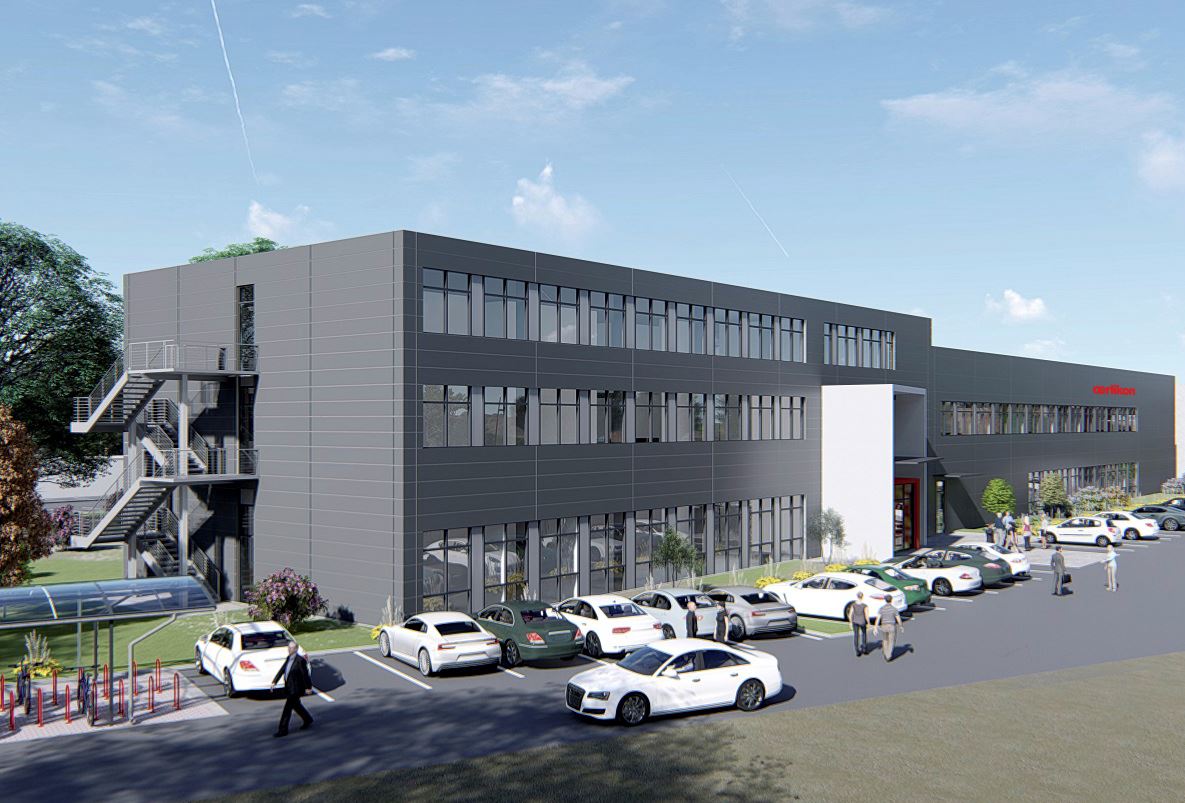
In order to optimize technology and meet changed framework conditions, Oerlikon Balzers wants to further strengthen its growing business with metallized, functional plastic parts. To this end, the coating specialist is building another large competence center on several thousand square meters in Bisingen, south of Stuttgart. After occupation at the end of 2019, numerous development facilities for PVD coatings and UV coatings will be available there. A series facility (Inubia I6) will drive product development, product validation and series start-ups. Various testing and wet laboratories complete the development environment.
A new specialist department for plastic injection molding has already been established to expand the portfolio. It aims to optimize the production of plastic blanks and their coating and to qualify new materials for ePD technology. A forward-looking task: Soon, new limits for cobalt salts, boric acid and nickel will further restrict the electroplating of plastics worldwide. This means that innovative, environmentally friendly technologies such as ePD will become increasingly important.
► Oerlikon Balzers
► www.oerlikon.com