
Process development needs room to maneuver
Technikum als Basis für ressourcenschonende und kostensparende Prozesse im Holz- und Möbelbereich
A large competence center on 2,000 square meters creates ideal conditions for coating and process development for users from the wood and furniture industry. No matter what coating technology is required - Adler in Schwaz in Tyrol has the right plant technology.
Environmental protection and sustainability are closely linked to the surface technology used in many products across all production steps. This is no different in the wood and furniture industry, but there are also particularly high quality requirements, because from front doors to kitchen furniture, users come very close to the products every day. As a result, quality defects are more easily noticed by the untrained eye. Another complicating factor for industrial production is that large and identical batch sizes tend to be the exception, which means that automation topics quickly develop a high level of complexity. Regardless of whether it is a question of converting or modernizing a production line or a process - very few companies in the woodworking and furniture industry have the resources, the technology and also the capacities in-house to be able to take process development completely into their own hands. In this respect, many users rely on external support for process development. In order to be able to provide its customers with the best possible answers in this respect, the paint manufacturer Adler from Schwaz in Tyrol has built up an extremely extensive technical center on 2,000 square meters, which contains a sufficient number of machines and systems that a successful, regular production could also be set up here without any problems. But of course, that's not what a paint manufacturer is about.
88 years varnish for wood and furniture
The history of Adler began in 1934, today the company has 670 employees and is based on three mainstays. One of them is the do-it-yourselfer, the second mainstay revolves around everything that concerns the furniture, window and wood construction industry. The largest share in this area is furniture coating and everything that needs to be coated inside a house or apartment - from floors to doors and kitchens to home furniture.
The third division is the craft from the carpenter to the joiner and one-man business to small industrial companies. However, the transition in this area between craftsmanship and industrial production is fluid. When looking at the current areas of application of Adler coatings, it is noticeable that these are predominantly industries and sectors in which work was originally carried out exclusively with wood as a material. In the meantime, however, the substrates have developed further in many areas, and from plastic to metal to glass, coatings for a wide variety of substrates are in demand - accordingly, the portfolio of the Austrian coatings manufacturer has also developed further.
Wide process selection
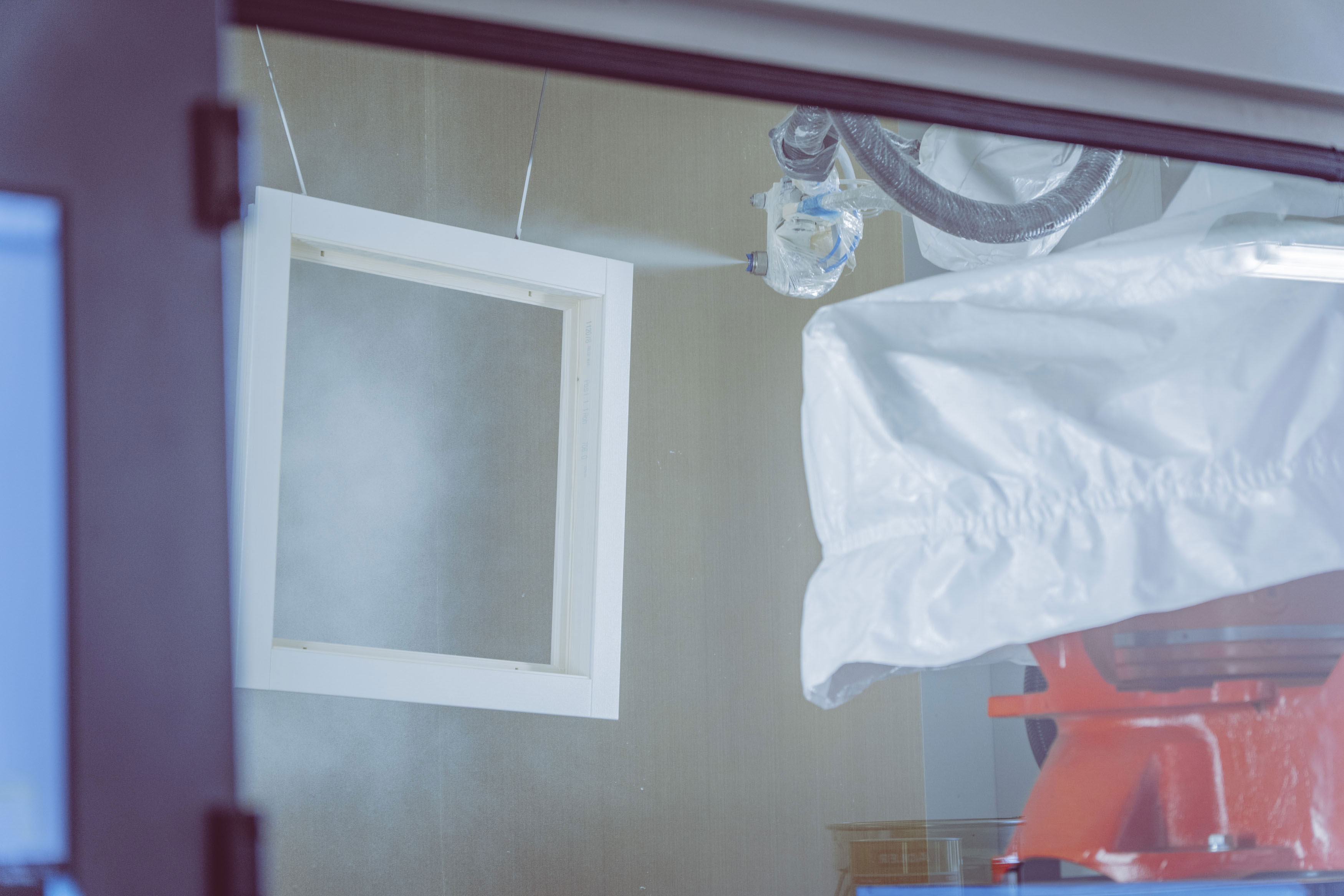
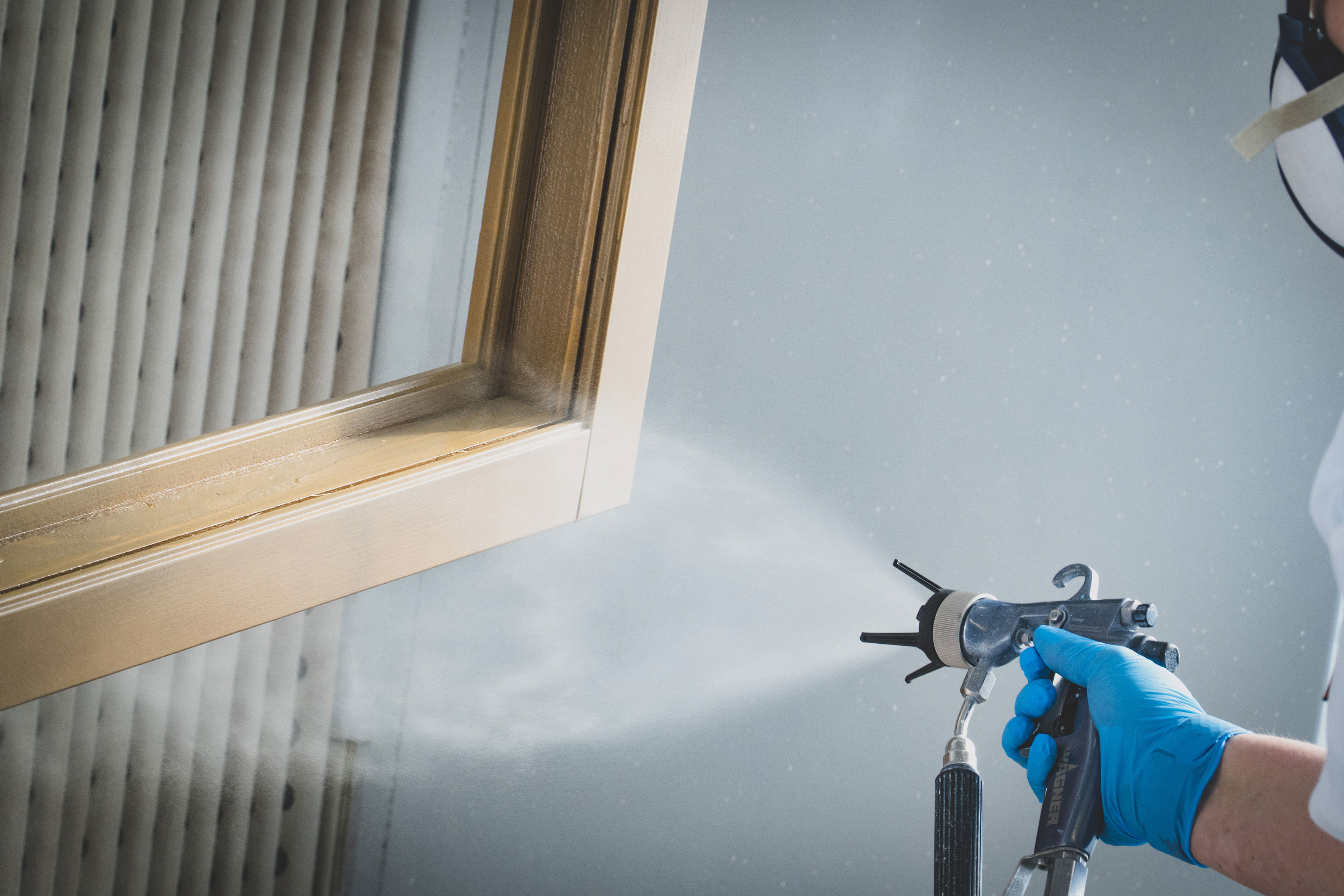
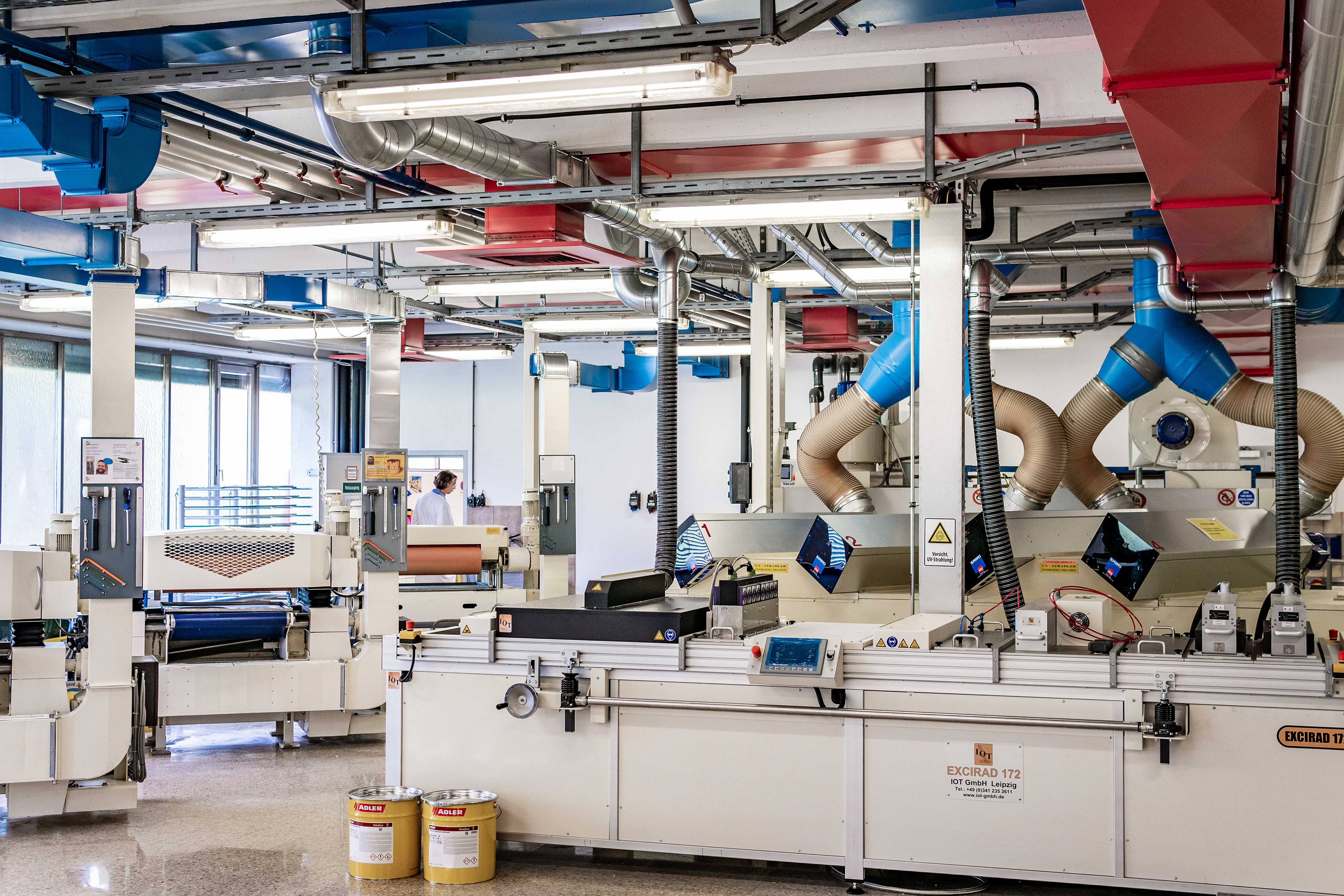
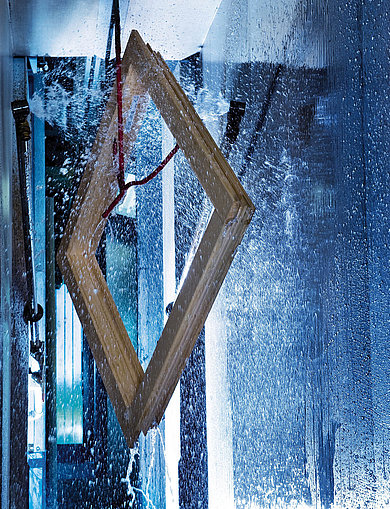
From small carpentry businesses to industrial furniture, kitchen, door or window manufacturers, from manual spraying booths to fully automated painting lines with automatic spraying, casting or rolling equipment: Every process can be simulated in the technical center at Adler. For example, in addition to a modern spray booth, as is common among smaller manufacturers, the window department in the application technology department also has a highly automated window coating line with a flooding system and painting robot.
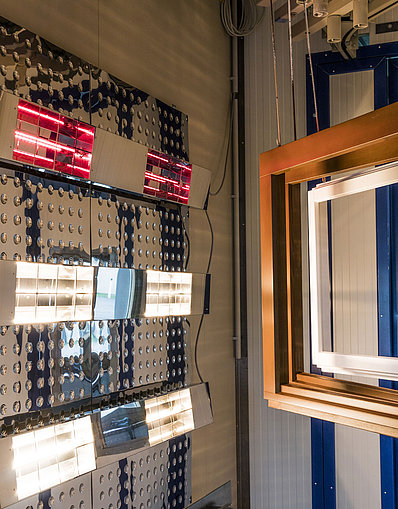
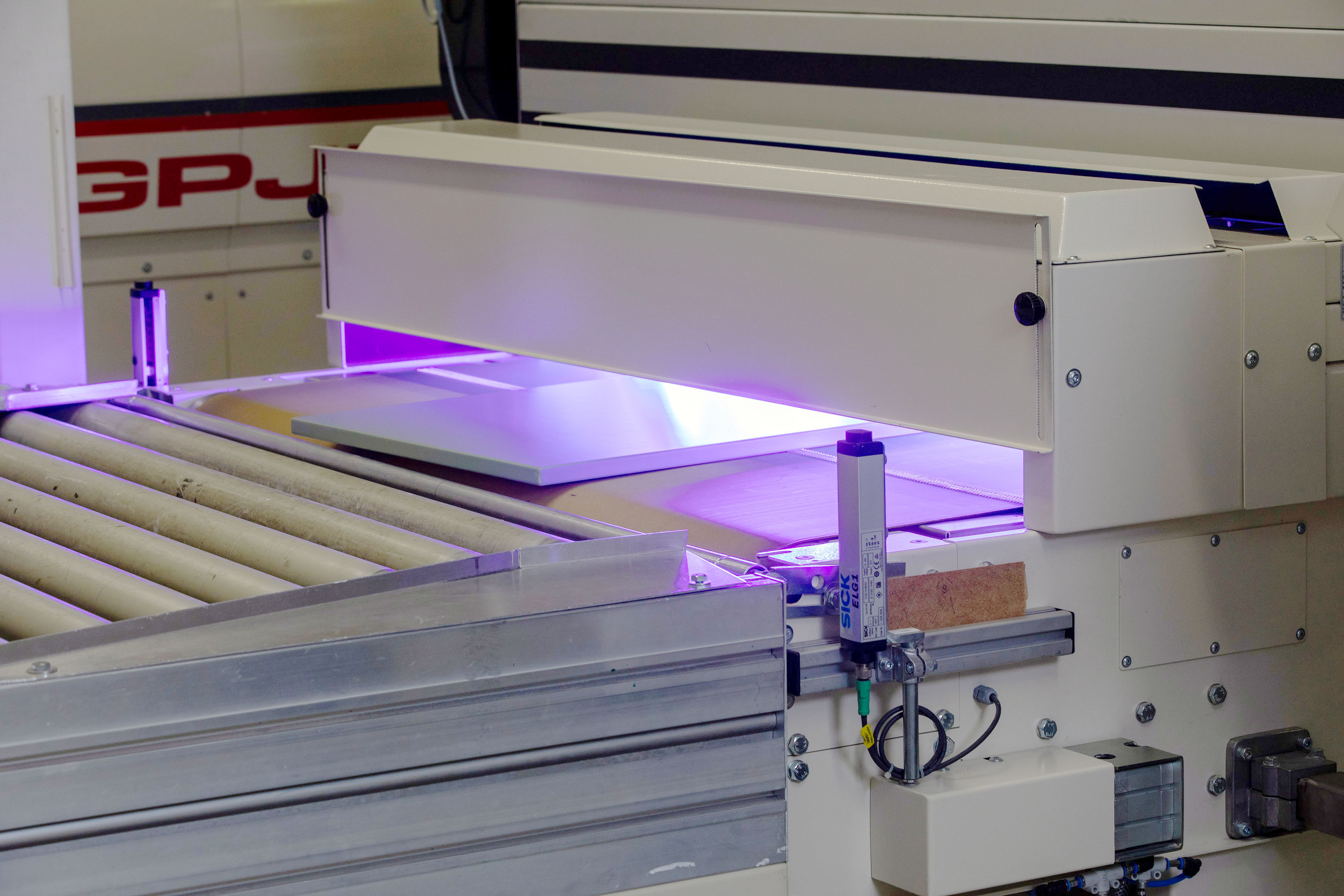
"We also recently acquired a laboratory dryer that allows us to simulate our customers' drying conditions one hundred percent accurately," explains Matthias Stötzel, head of application technology for window and architectural coatings. With the laboratory dryer, the most diverse combinations of wavelengths and light sources can be used. Basically, the experts at Adler see a lot of potential in the drying and curing process to further increase quality and efficiency in surface finishing.For example, casting application, a well-known technology that has currently fallen somewhat into the background. But casting does not produce any overspray, and at the same time very good surfaces can be achieved. Together with a 100-percent UV coating circulated in a circuit, an optimum of surface quality, productivity and environmental protection can be achieved, since no solvents are released and there is practically no coating loss. It can also be combined with excimer radiation technology, a UV-based technology that enables highly sought-after matte surface effects. But high gloss can also be achieved very well in this way.
"It is important for us not only to look at the coating, but to understand the entire coating process so that we can then also objectively recommend the best solution to our customers," Daniel Pesserer, Sales Division Manager Furniture Industry at Adler Lacke, adds to the company's philosophy. "We want to develop coatings and processes in an environment that is as close to production as possible, and to do this we have to be able to replicate every customer process in our technical center. We also aim to provide our customers with objective and unbiased advice. The feedback from customers and interested parties shows us that this is recognized and that our opinion is valued in the industry. In my view, this is the reward for the fact that we give higher priority to customer satisfaction than to short-term sales success."
Trust must be earned
"We are a good size to be able to reasonably collaborate and develop in the industrial sector, but we are still not so large and cumbersome that administrative and decision-making processes slow down," Pesserer describes. "Our company is now run by the third generation of the owner family, which gives us the advantage of being able to invest in research and development with a long-term perspective, without having to consider fixed margins and shareholders. A large part of what we generate flows back into the company. We have 110 employees working in technical development alone, making it the largest department in the company."
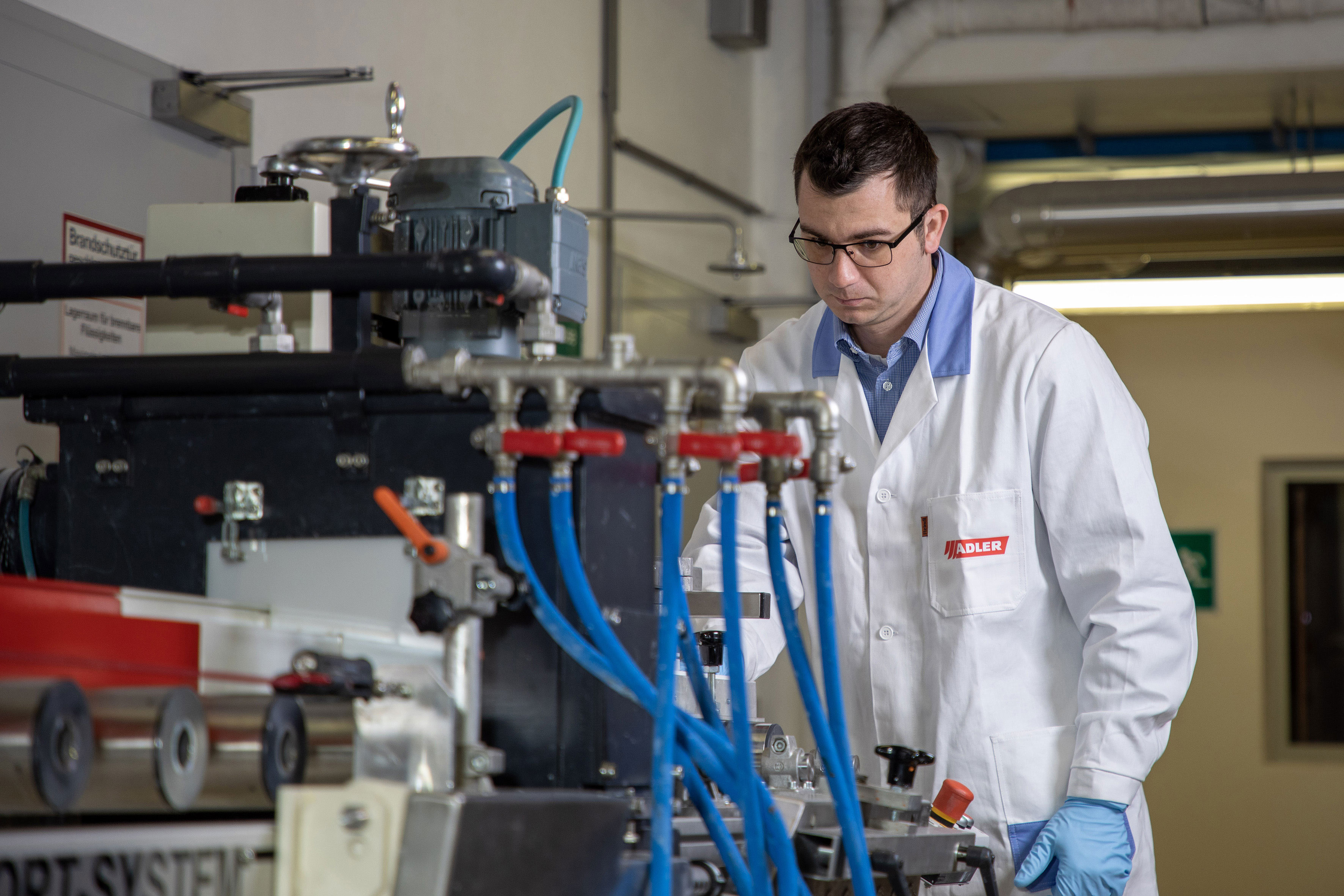
"Adler is very conscious of its focus on customers and their needs, and places great importance on trying to understand them," agrees Reinhard Guem, Head of Development Furniture Coatings, Stains & Oils. "We are therefore set up organizationally in such a way that our developers and laboratory technicians can gather empirical values on site with customers in production. This allows new products to be tested in practical application at a very early stage and the empirical values to be fed back into development work in the shortest possible way."
Technology projects for the future
ntensive development projects are currently still underway in the matt and dull matt area; here, the aim is to make these surfaces as resistant and easy to handle as possible. Apart from that, sustainability is a big buzzword in all facets, also in connection with renewable as well as bio-based raw materials.
Basically, Pesserer sees the topic of energy saving, but also a simplification of processes as central development goals. These include waste avoidance and, in this context, also overspray-free application technology, which is already being used in automotive construction. Pesserer also sees a wide range of potential applications in the furniture industry, especially where parts with small surface areas, such as window frames, are to be coated. In this context, Adler has already been involved in the implementation of a major project. According to Guem, it is already practicable to use overspray-free coating processes for special applications, even if it is still too expensive for broader application. Guem sees the big challenge in achieving surfaces and edges that are homogeneous and uniform in every respect. With the innovative overspray-free process, it should be possible in the future to coat surfaces and edges in the same work step and with sharp contours without any masking.
Innovation Award: Automated frame grinding by robot
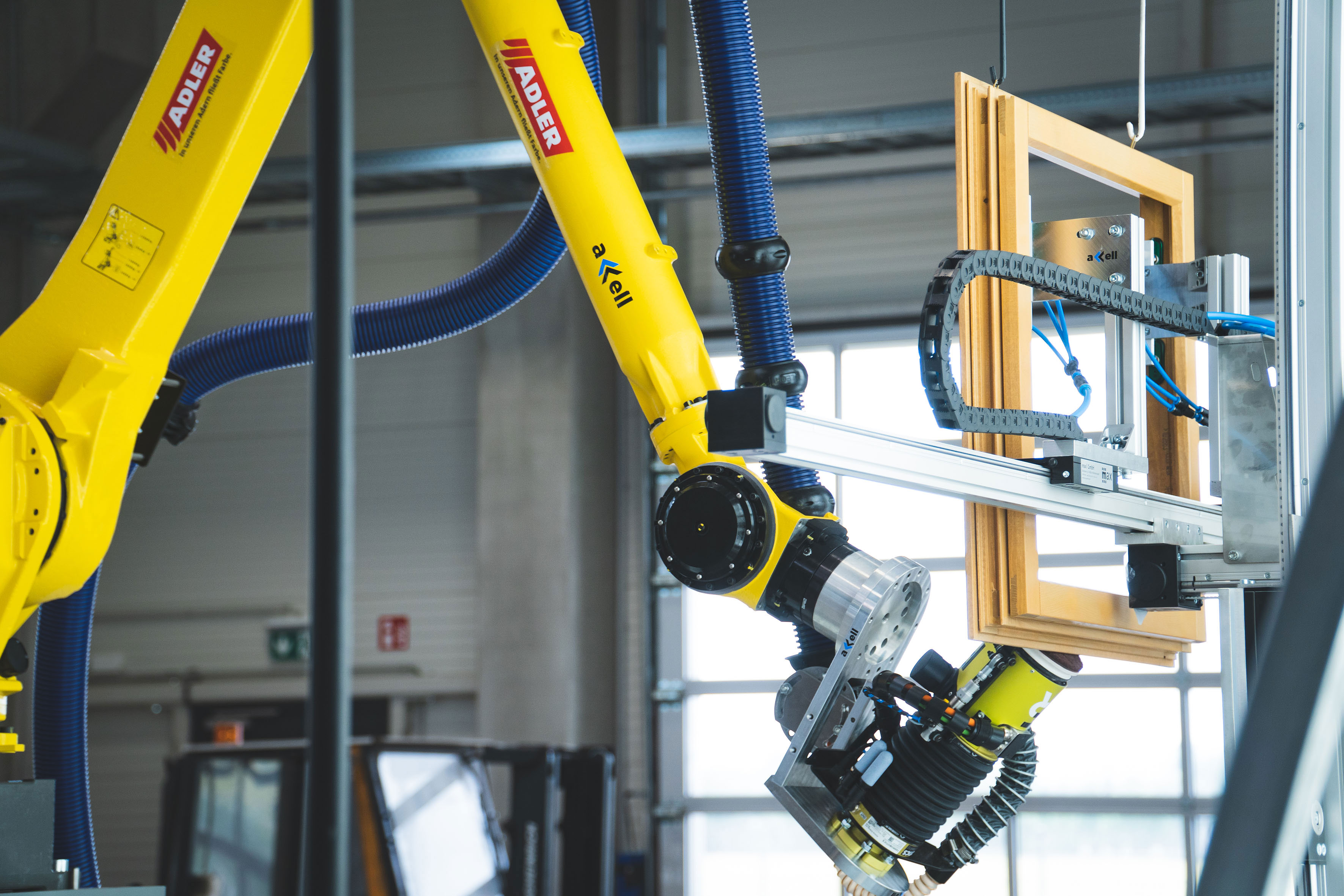
When coating window frames, intermediate sanding is necessary because the wood is slightly roughened by the coating. Up to now, this is often carried out manually - with a not inconsiderable effort, because the frames must first be unhooked from the conveyor and placed on corresponding tables, on which the time-consuming manual sanding then takes place. In order to improve this time-consuming and cost-intensive process step, Adler started the development of an automation solution together with project partners. The result is the now innovation award-winning "Abramotion", a robot with a force-sensitive grinding attachment.
"The challenge here is that a window profile with all the edges in the profile area is extremely difficult to grind, not least because the impregnation is very thin," says Matthias Stötzel. Therefore, there is an enormous risk that the robot will grind through the coating if the pressure is a little too strong - right down to the raw wood. In this respect, a pressure-sensitive and very finely controllable work attachment is required that can grind with similar sensitivity to a human. "If there is a slight increase, the pressure force must be lowered immediately and very quickly by the control system. Such automated grinding processes are already used in the automotive sector, but are still rather rare in the window industry. That's why, together with our partners, we have further developed and adapted the process for the window sector."
It is not only the control system and the attachment that were the challenge in the development here, but also to develop the fixing of the frames by means of a clamping device that holds the frame securely without hindering the grinding process. The tasks were solved and the project is now successfully in industrial use - but setting up a dedicated robot station at the test center in Schwaz has not been possible so far due to lack of space.
"We don't want to become a plant manufacturer with the Abramotion, even though we actually sell it," says Pesserer. "Despite all the industrialization from automatic spraying machines to robotic painting systems, the intermediate sanding is still done by hand in most companies, and this is where we want to offer our customers a problem solution."
The tour of the technical center in Schwaz in Tyrol shows that an impressive amount of industry-oriented plant technology is installed here and makes the paint manufacturer's claim of being able to precisely map the customer's coating process plausible. With the modern equipment, but above all with the expertise of the team, the prospects for customers to successfully complete process development or optimization here are good.
Adler-Werk Lackfabrik Johann Berghofer GmbH & Co. KG
www.adler-lacke.com