

Ford's departure into e-mobility
Transformationsprozess bei Ford: Digitalisierung und Greenfield-Technologie für den Stammsitz
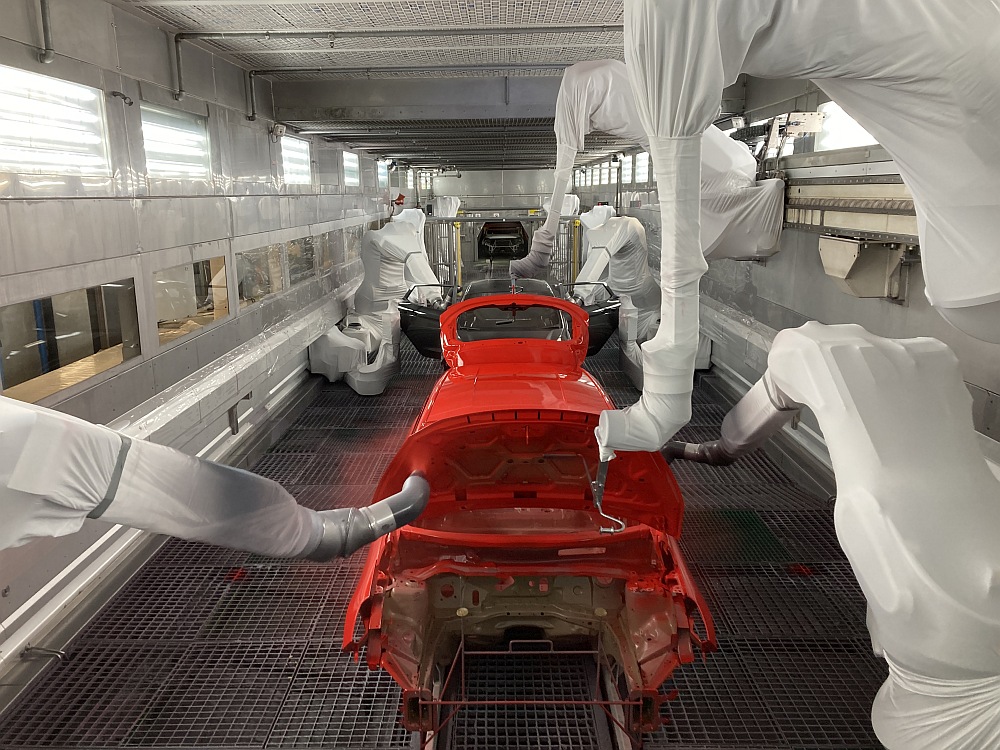
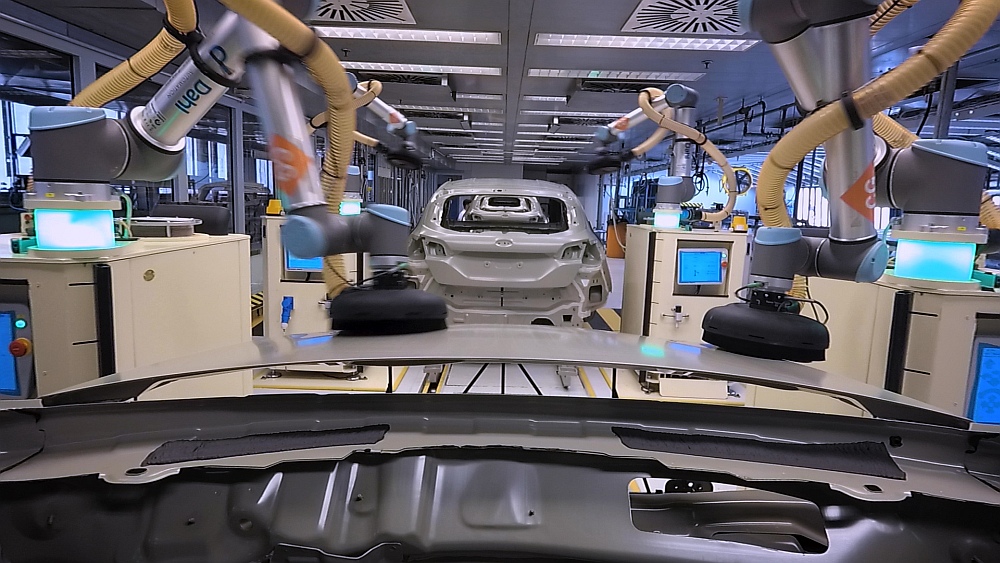
At Ford's main plant in Cologne, the switch to electromobility and high energy costs are driving technological change. In addition to extensive modernization in the area of application and cabin technology, quality control and digitalization projects are also on the agenda - such as the 100 percent color control of car bodies using cobots.
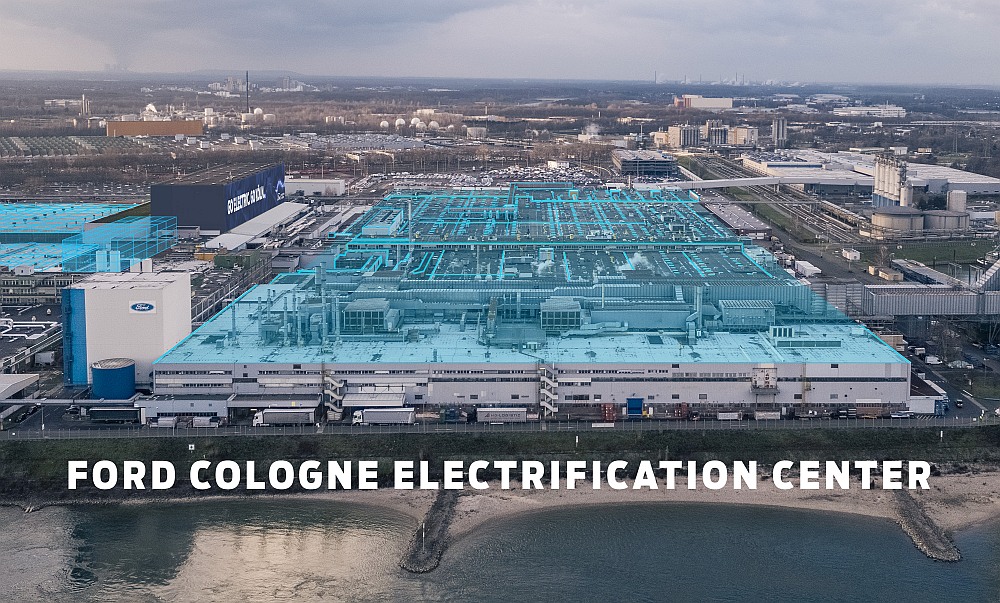
Ford is currently undergoing the biggest transformation in the company's history at its Cologne headquarters, with a total of almost two billion euros being invested in the conversion - the biggest investment in the 92-year history of Ford's Cologne plants - with the conversion to the Electrification Center on the agenda.
After the plant vacations last summer, Ford therefore shut down a Fiesta production line for the conversion. Since then, 600 Fiesta units a day have been coming off the production line, compared with around 1,000 before that. 1.2 million e-models are then to be produced over the next six years. Initially a mid-size crossover and from 2024 as a second all-electric model, also a crossover, but with sportier lines.
The production of these significantly larger and heavier vehicles requires considerable transformation power and massive interventions in existing plant engineering. Particularly in the area of materials handling, the higher weight has to be taken into account. What's more, the degrees of freedom of a greenfield do not exist at a manufacturing site that has grown over decades; instead, all modernization and conversion measures must be integrated into the existing plant - without affecting ongoing production.
Already done: Over 45 construction sites in the paint shop
The paint shop is located in the so-called Y-hall, and in preparation for the production changeover, 45 construction sites of comprehensive conversion and modernization work were already implemented last year. For example, a new PVC seam sealing station was installed. In addition, the cleaning of the bodies prior to painting is no longer carried out by large emu rollers; instead, this is done precisely and flexibly by four robots with sword brushes. These work so precisely that contact with the fresh PVC material can be avoided and the gelling oven previously required for PVC drying has become superfluous. Two ovens for drying cavity wax have also been dismantled - because the Cologne paint shop is the first Ford plant in the world to use a new water-based cavity wax that does not require additional forced drying.
There was also a major rebuild in the primer plant, where an ESTA painting system was sent into its well-deserved retirement and replaced by ten current Dürr painting robots. The technological leap led to a significant increase in application efficiency and a reduction in paint consumption. Overall, these measures saved 2,000 tons of CO2 per year and reduced energy consumption by about 2,600 MWh.
Recognizing trends before a defect occurs
A major advantage of such a 100 percent color tone control is that it is possible to track how the color tone of the applied coating layer changes over weeks and months. After a phase of data collection, precise measures and intervention limits can be defined based on experience to dampen color shade fluctuations before they lead to rejects or rework. Particularly in a paint shop that processes products as complex as car bodies, avoiding rework means big savings in costs and resources. Another key benefit of the new control mechanism is the significantly reduced time between application and defect detection. This shortened reaction time offers the opportunity to identify effective influences in the paint line on color development and to incorporate them into the process control. Another medium-term goal in the context of digitization is to enable the control system of the control line to use the measurement results to adjust the tolerance window of the applied color to the actual color of a delivered batch of bumpers. This would very effectively minimize the visible color differences between the body and the add-on part.
When all the measures have been implemented, surface technology at the Cologne site will in many respects correspond to current automotive greenfield technology - implemented in a very challenging brownfield.
CB