
Hot-dip galvanization of complex components
One of the most modern hot-dip galvanizing plants in Europe was also designed for complex projects
Having large steel structures or even works of art reliably galvanized - this is possible in Lower Saxony. The widest galvanizing kettle in Germany is located here. And international business is also becoming increasingly important.
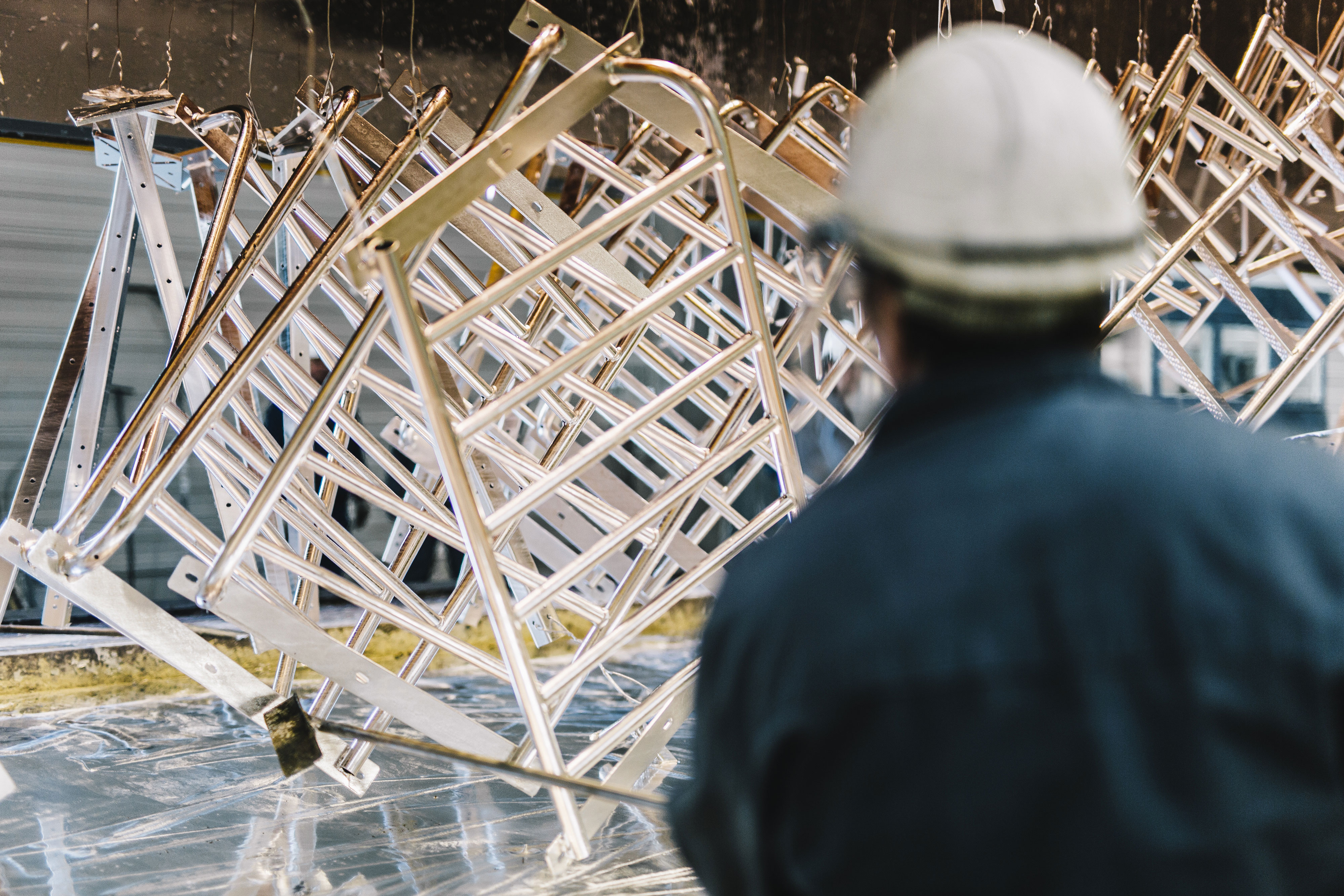
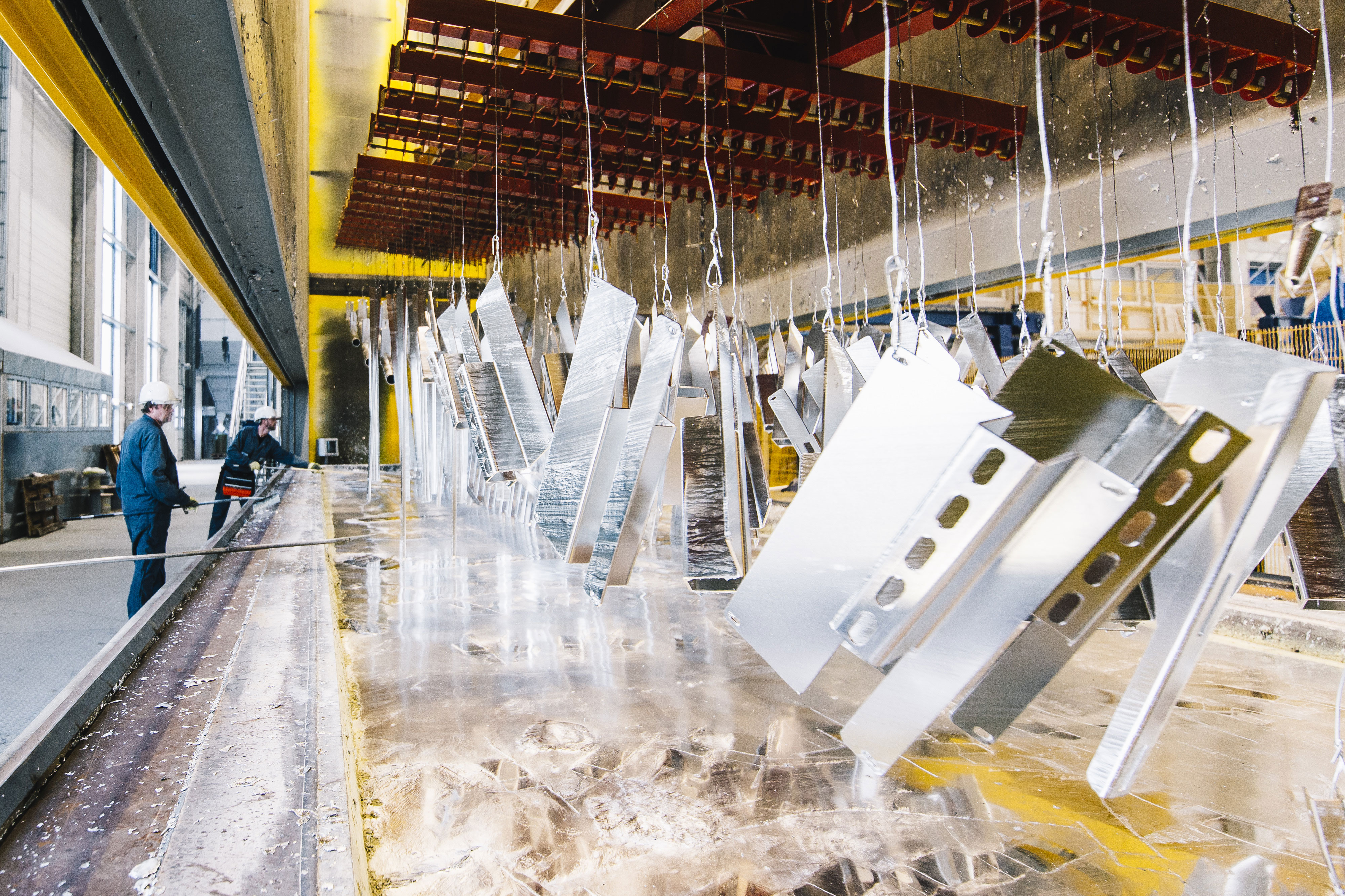
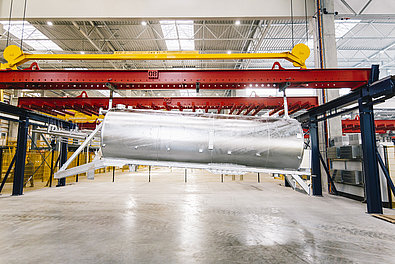
In Holdorf in the district of Vechta, the Seppeler Group has built up a hot-dip galvanizing plant at the site. In order to be able to cope with the technically extremely demanding orders, as the site still does today, the existing plant was comprehensively extended and expanded. Among other things, an 8,000-square-meter hall was built on an area of 35,000 square meters, which today provides space for one of the most modern hot-dip galvanizing plants in Europe with more than 100 employees. The heart of the plant is Germany's widest galvanizing tank, measuring 2.70 meters wide, 3.50 meters deep and 13 meters long, in which steel structures weighing up to ten tons can be galvanized. Highly complex projects and orders are implemented here. These include not only the coating of barrels, stair railings or structural elements for wind turbines, but also unusual projects such as the galvanizing of a cat statue. Made from more than 1,000 individual parts, the work of artist Matthias Mauritz can be admired today on Lake Maggiore.
The galvanizing kettle is one of the reasons why the site now receives so many orders from other European countries, Frank Deneke is certain. Although most customers still come from the surrounding area, international business is gaining in importance. The reorganization has also triggered other changes. One of these concerns logistics. For example, incoming trucks can stop at the crossbeam and weigh the material. This is made possible by the use of stacking cranes for long goods and particularly bulky components. The logistics concept has also been revised in other respects, says Deneke. To this end, they have been able to draw on experience with the old plant - and now customers are also benefiting from this.
Comprehensive consulting service
Before they have their structures galvanized, they often seek advice on the possibilities offered by the plant in Holdorf. This is because complex orders in particular require detailed planning for an optimum result, says Deneke, citing an example: Hollow products should have sufficiently large openings at the appropriate points. Only then can sufficient air escape during the dip bath in the galvanizing kettle and the zinc flow in and out as desired. The material thickness must also be examined in advance, as the steel expands in the zinc bath at 450 degrees Celsius. Once all the details have been clarified, the steel structure is subjected to a multi-stage pretreatment. This takes place in various immersion baths. Grease, toast or scale are removed in the process. "This gives us a very clean base material and we can move on to the next steps," says Deneke. Rinsing baths between the individual pretreatment baths are just as much a part of the process as a fluxing bath for intensive fine cleaning.
Fluxing has another advantage: It increases the wettability between the steel surface and the molten zinc. Pre-needling is completed with drying. This optimally prepares the material for the hot-dip galvanizing process. "Although the preparation involves numerous steps, we can galvanize most steel components within 24 hours," says Deneke.
Digital transformation ensures greater efficiency
Another innovation, he says, was only made possible by the modernization of the equipment: The fully automated plant can apply a type of clear coat after galvanizing. This protects the galvanized parts even more strongly against white rust, which would reduce the corrosion protection. The plant is largely automated, which makes it possible to track all steps without interruption. This raises safety in the hot-dip galvanizing shop to a new level, explains Deneke, adding, "In reality, however, the automation of processes is never complete. Digitalization is constantly adding new possibilities that allow us to optimize economic efficiency and quality management." This not only ensures financial savings, but also protects the environment.
Saving energy and conserving resources
Hot-dip galvanizing is fully recyclable and therefore in itself a resource-saving solution. However, sustainability was already an issue when the new plant was built. For example, the energy from the boiler exhaust gases is fed via a two-stage heat recovery system first to the drying furnace and then to the pretreatment heating system. This residual energy can be used, among other things, to feed the underfloor heating under the workplaces at the traverse stations. This has two advantages: A pleasant room climate and faster drying of the floor when wet. In addition, since emissions from the acid baths can be extracted from the capsule and 97 percent cleaned via an acid wash, the Holdorf hot-dip galvanizing plant operates more sustainably than comparable plants. "Here, too, we don't want to maintain the status quo, but to keep developing as part of the Seppeler Group," says Frank Deneke. "After all, economic success brings with it responsibility - for employees, customers and, of course, the environment."
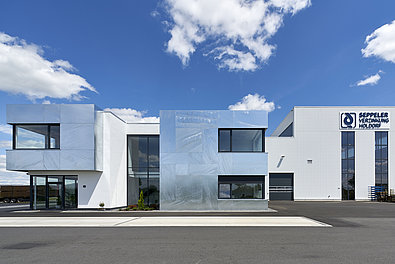
Seppeler Group
www.seppeler.de