

No splitting hairs
Korrosionsschutz durch Beschichtungssysteme – nach DIN EN ISO 12944 oder DIN 55633

The series of standards of DIN EN ISO 12944 and DIN 55633 contain requirements for corrosion protection by coating systems on unalloyed and low-alloyed steel. However, the standards differ in essential points that should be taken into account before tendering and ordering.
In most invitations to tender and purchase orders, when corrosion protection is an essential parameter, reference is made to the DIN EN ISO 12944 series of standards - especially when a specific corrosivity category and protection period have to be complied with. The background to this is the fact that the DIN EN ISO 12944 series of standards is recognized worldwide as an international standard. However, it is not infrequently referred to incorrectly. In practice, this often leads to invitations to tender and technical specifications that do not make sense or are technically impossible to meet for the particular application and the coating technology used. This results in a considerable need for communication between customers and coaters in order to correct technical errors in the tenders, insofar as this is possible at all. The DIN EN ISO 12944 series of standards applies to the corrosion protection of thick-walled components (> 3 mm) on unalloyed or low-alloyed steel - also zinc-plated - using air-drying liquid coating systems. Other organic coating systems, such as powder coatings and electrotype coatings, are not covered by the regulations. Part 1 of DIN EN ISO 12944 contains the following regulation: "...ISO 12944 (all parts) deal with a range of coating material products that dry or cure under ambient conditions. ISO 12944 (all parts) does not deal with powder coatings and baking enamels...". Despite this clear regulation, tenders and orders are frequently found on the market that refer to ISO 12944 for powder coatings and also for cathodic dip coatings - here rather for lack of alternatives. Again and again, tenders are circulated that apply the standard to aluminum coatings, which is fundamentally wrong, regardless of whether powder or liquid coating is used! For the corrosion protection of unalloyed or low-alloyed steel by powder coating, there is in Germany the series of standards DIN 55634 (thin-walled components < 3 mm) and DIN 55633 (> 3 mm). Strip galvanized and piece galvanized components are also covered by these two standards, depending on the area of application.
Standards body compensates for international regulatory deficiency
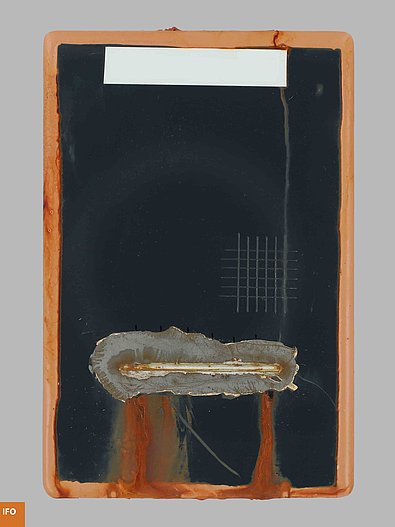
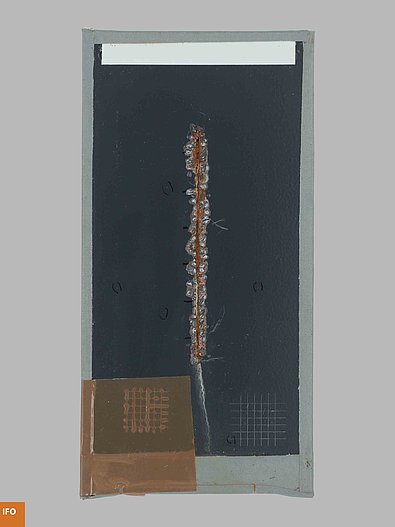
Currently, corrosion protection standards for powder coating of steel exist almost exclusively at national level. At European and international standardization level, the corrosion protection of steel by powder coating is currently only inadequately regulated. Work towards European or international standardization is needed here in the next few years. Other organic coating technologies, such as cathodic dip coating, are not yet regulated at all in corrosion protection standards. In the last two years, the responsible standards committee of DIN 55633 has been working on a second part, which now also contains regulations on the corrosion protection of steel by cathodic dip and powder coatings. The draft version is to be published in April of this year. In addition to variations in how the neutral salt spray test (NSS) is carried out, for example in the case of scratch application, this distinction in the definition of the protection period and maintenance measure is also reflected in the evaluation of the NSS. While part 6 of ISO 12944 only regulates an evaluation of corrosion at the scribe, DIN 55633-1 and DIN 55634-1 also evaluate delamination at the scribe (< 3 mm for steel; < 8mm on galvanized material) in addition to corrosion.
Choice of standard depends on corrosivity category, duration of protection and ambient conditions
If specifications for corrosion protection are made in a tender, care must be taken to ensure that the applicable standard is used. The corrosivity category (C1-C5) and the duration of protection must always be specified. Only then is it clear in which atmosphere or under which corrosive ambient conditions the component is to be used and how long the coating is to maintain its corrosion-protective and possibly decorative function until the first maintenance. Since the protection period and the first maintenance measure are defined differently in ISO 12944 and the DIN standards, the standard used should also be specified.
► Qualitätsgemeinschaft Industriebeschichtung e.V. ► www.qib-online.de