


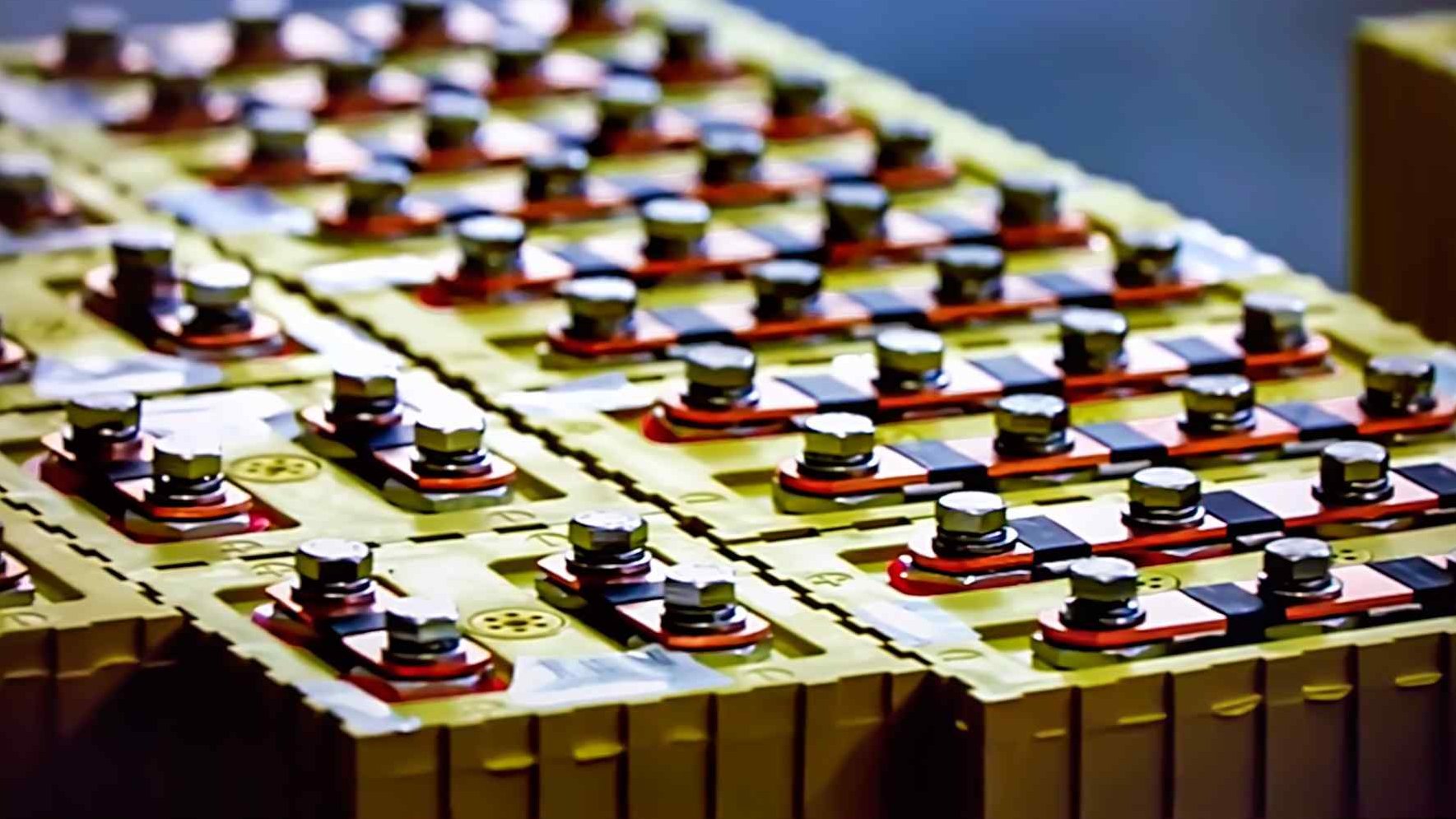
Lithium, nickel, cobalt, copper, and graphite are raw materials from lithium-ion batteries that can be recovered at the end of their useful life. With the growing popularity of electric vehicles and battery-powered devices, the industrial processing of these energy storage devices is becoming increasingly important. There are various recycling methods that differ in terms of process control, energy consumption, and material recovery: pyrometallurgy, pyrolysis, and mechanical recycling. In the case of mechanical recycling, the disassembled battery modules or smaller complete batteries—such as those from mobile electronic devices—are shredded after being discharged. This process takes place in an inert gas atmosphere, such as nitrogen, or under vacuum conditions. This prevents flammable electrolyte components from igniting.
Vacuum drying removes volatile components
Before further processing, volatile components of the electrolyte must be removed from the shredded material. Vacuum drying is suitable for this purpose. In a closed vessel, heat is applied to the material while the pressure is simultaneously reduced. The vapors are extracted via the vacuum system and can be condensed either before or after the pumps. Depending on their composition and purity, further processing or reuse is then possible.
A major challenge in vacuum drying is the presence of flammable and, in some cases, chemically aggressive solvent vapors. The vacuum pumps must therefore be designed to handle these process gases. Condensation inside the pumps is a critical issue. Liquid or deposited components can impair operation. In addition, the shaft seals must prevent process gases from entering oil-lubricated bearing chambers.
Hermetically sealed pump housings limit both the escape of process gases and the ingress of ambient air. This reduces the risk of flammable gas mixtures forming.
After drying, the material fractions are mechanically separated from one another. Central to this process is the “black mass,” a fine-grained mixture. This fraction is separated from films, plastics, and other components. The plastic residues are primarily incinerated.
Nickel, cobalt, and lithium can be recovered from the “black mass” using hydrometallurgical processes. In this process, the metals are leached out using aqueous solutions and then processed separately. Copper, iron, and graphite can also be recovered.
Vacuum pumps must withstand specific conditions
Various types of pumps are available for vacuum drying in battery recycling. The selection depends on the composition of the process gases, the pressure range, the pumping speed, and the load from condensable components.
For such applications, Leybold uses, among other things, dry-compressing screw vacuum pumps from the Dryvac series. These feature hermetically sealed housings and are designed to handle condensable vapors. A shaft sealing system operated with a barrier gas prevents process gases from entering the bearing chambers.
In prototype plants or recycling processes involving different feed materials, additional contaminants may be present. In addition to the electrolyte solvents, low-molecular-weight plastic components, for example, enter the gas phase. If these condense in the vacuum system, deposits can form that impair the pumping capacity or clog the pumps.
For such applications, the manufacturer offers the Screwline series of dry-compressing screw vacuum pumps. These pumps feature internally cooled rotors, whose low operating temperatures limit the thermal decomposition of organic deposits.
Thanks to the rotors’ floating bearing design, the pumping chamber can be removed for cleaning. This allows operators to remove deposits from inside the pump without having to disassemble the entire vacuum pump.
At low operating pressures, such as those typical for vacuum drying, rotary vane pumps can increase the pumping speed. For this purpose, Leybold offers, among other products, the hermetically sealed vacuum blowers of the Ruvac WH series.
In addition to individual vacuum pumps, the product range includes complete vacuum systems with condensers, solvent collection tanks, and measurement and control technology. The condensers serve to liquefy the solvent vapors removed from the dryer and make them available for further treatment or reuse.
Proper sizing is key to cost-effectiveness
For an economical and stable drying process, the pumping capacity of the pumps and the condensers must be matched. It is crucial that the pressure inside the dryer remains below the saturated vapor pressure of the solvent mixture. This depends on the composition of the solvents and the temperature.
A higher pump capacity does not necessarily result in a shorter drying time. While a higher suction capacity can further reduce the pressure, the evaporation rate is largely limited by the heat energy supplied to the dryer. Oversizing the system can therefore increase energy consumption and capital costs without resulting in higher productivity.
When designing the system, particular attention must be paid to the operating pressure, the volume of solvent, temperature control, and the properties of the material to be dried.
In addition to energy consumption, maintenance intervals and operational stability influence the economic efficiency of the recycling process. If the vacuum system fails, drying cannot continue. This affects the downstream process chain.
Consequently, low susceptibility to deposits, effective sealing systems, and a maintenance-friendly design are crucial. The comparatively low operating temperatures of certain dry-sealing pumps help limit the formation of hard-to-remove residues from organic process gas components.