
Trend colors 2019
Führender Lackhersteller veröffentlicht Design-Studie zu den Automobil-Farbtrends der nächsten Jahre
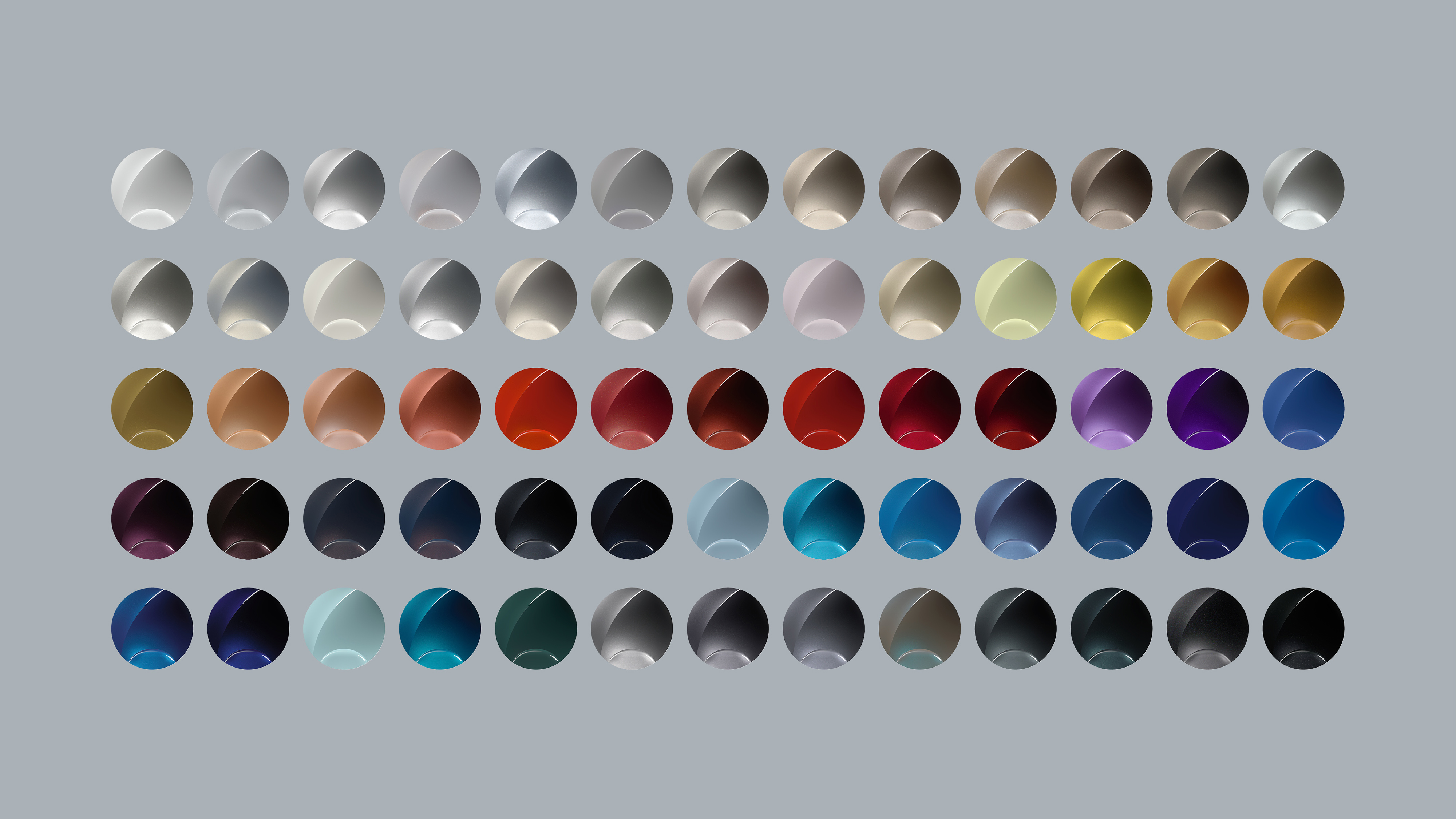
Automotive Color Trends 2019/20, or ACT/9, is the title of an analysis by BASF's Coatings division. In collaboration with four design studios from EMEA, North America and Asia Pacific, BASF has analyzed technological trends and social changes worldwide to draw color inspiration for vehicle surfaces.
Every year, designers from BASF's Coatings division use their insights and forecasts on technological and social change to develop a collection that will influence color in the automotive industry in three to five years. Their extensive research into future trends serves as a starting point for the development of surfaces, textures and color schemes. As a result, the designers present global trends and developments in the Europe, Middle East and Africa (EMEA), Asia Pacific (AP) and North America (NA) regions.
The designers always develop the color trend collection in close cooperation with the laboratories, because the technical demands on the coating are high. For example, the paint must be able to withstand extreme external influences so that the vehicle body still looks high-quality in ten years' time. The challenge is therefore to select the right materials from the extremely extensive pigment and paste toolbox to achieve the desired color shade and at the same time provide the necessary protection. In addition, coatings with new functionalities and new pigments are increasingly being shown in order to clarify the relevance for future development and use on the basis of these examples in personal discussions with the customer.
Furthermore, it is important to design the new paints in such a way that they produce the same color shade on the final car body, despite different painting methods and stoving processes. It must also be taken into account that, depending on the customer's requirements, the colors must be provided in an aqueous and/or solvent-based coating system.
Wide color spectrum underlines openness
With a variety of color tones and different saturation levels, BASF underlines its open attitude to advances in digitalization. Digital tools, whose influence continues to grow, are now seen as a natural part of everyday life. Accordingly, color concepts for the mobility of the future would have to fulfill a more accessible and warmer impression. Rather atypical vehicle colors such as unusual yellowish hues and complex golden metallic tones go hand in hand with this direction, according to the designers.
Metallic tones and the pursuit of change
The color trends reflect the desire for fundamental change observed by designers. This, they say, affects not only general consumption patterns and behavior, but also personal goals: Younger people, according to the report, rarely spend their working lives with a single employer. Straightforward biographies are increasingly being replaced by multi-faceted lifestyles among the so-called "slash generation," leading to a flexible attitude toward mobility patterns. Flexibility and creativity, as well as a balanced relationship between work and leisure, take on great importance for the slash generation. BASF translates this interplay into a range of metallic and solid colors covering both light and dark shades. Another influencing factor, he said, is numerous consumer and industry initiatives calling for a fundamental rethink of material life cycles.
New standards shape EMEA
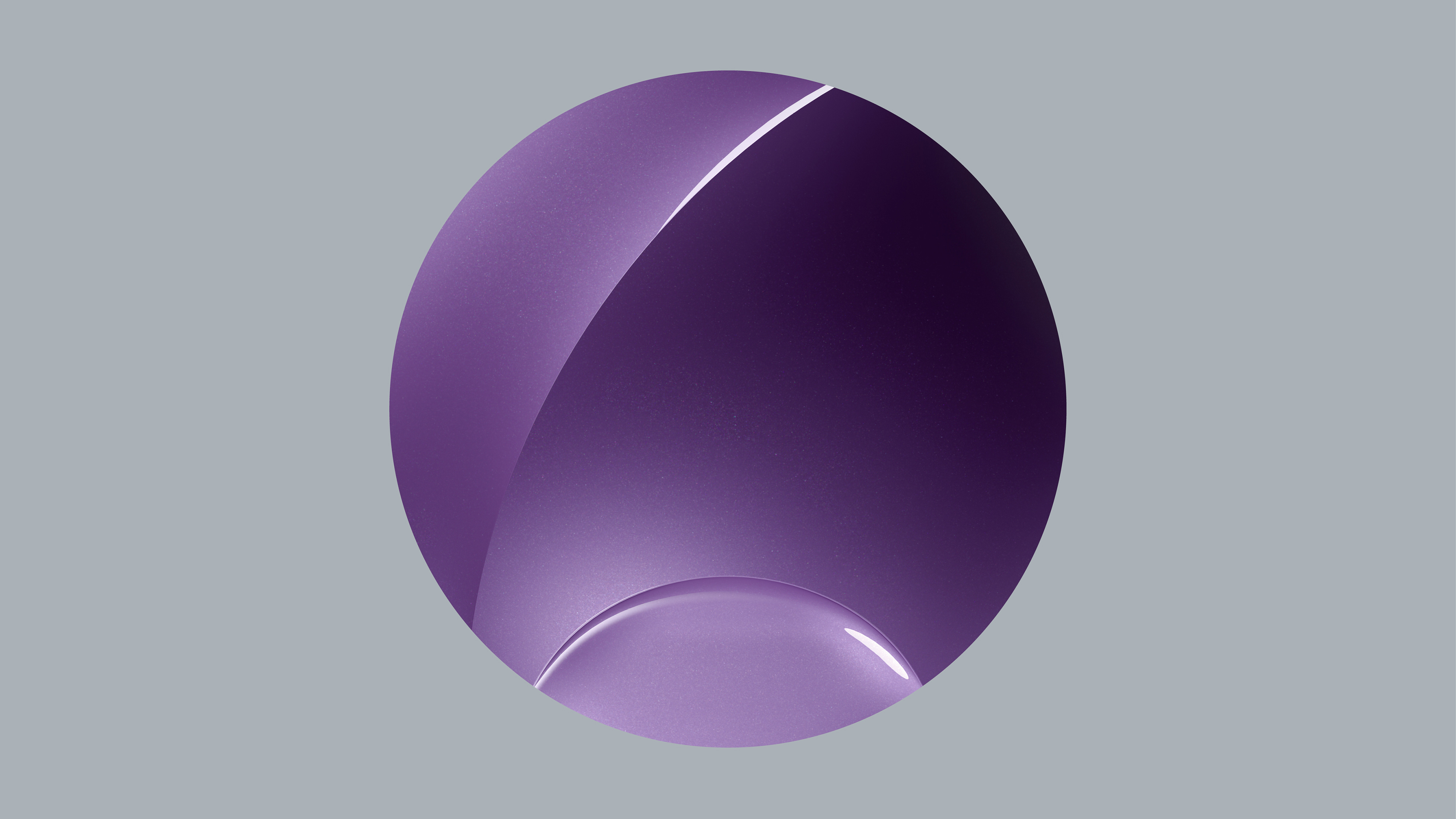
Designers from BASF's Coatings division are translating these impulses into color concepts that combine aesthetics and sustainability, they say, with an immensely positive atmosphere hinting at upcoming changes in social conventions in EMEA. Designers predict that unique color positions like Violet Metallic could become more common as a result. One of the facets that emphasize this optimism, they say, is the increasing importance of individuality in design concepts in the region, expressed through complex metallic shades in the beige and gold color space. Another aspect for BASF is the exploration of human needs in relation to increasing automated mobility. Accordingly, selected colors in EMEA are characterized by an artificial look that dispenses with effects but at the same time provides functionality.
(Kopie 3)
Asia Pacific - a balanced palette of warm colors
According to BASF's analysis, multi-layered life concepts are forming in Asia's urban society. Tradition is merging with new impulses for sustainable production, resulting in a balanced palette of warm colors with calm, saturated flops. These hues even go beyond the usual appearance of shades and finishes, with fresh whitish silvers and more complex warm color ranges. In the Asia-Pacific region, two mentalities meet: the technology-friendly one is represented by bright, flowing colors - such as silky neutral metallic shades - and shimmering soft, light colors. The more emotional side of future automotive technology, on the other hand, favors dark, raw and vital colors. Coarse gray metallic or sensual violet offer the opportunity for individual expression.
Changing shades in North America
The ongoing fascination with technology in North America - coupled with an exciting, new understanding of personal ownership and co-creation - is resulting in a significant change in the color palette compared to previous years, BASF designers said. This is manifesting itself in a stronger flip-flop effect in different shades. At the same time, the general texture of the metallic effect is also becoming softer, they added.
The trends have been set, now it's time to work them out. BASF's color designers want to continue to combine functionality and aesthetics when developing a wide range of colors in the future. To achieve this, they want to use dyes and products from environmentally friendly sources, among other things.
BASF Coatings GmbH
www.basf-coatings.de