
Refurbishment instead of new acquisition
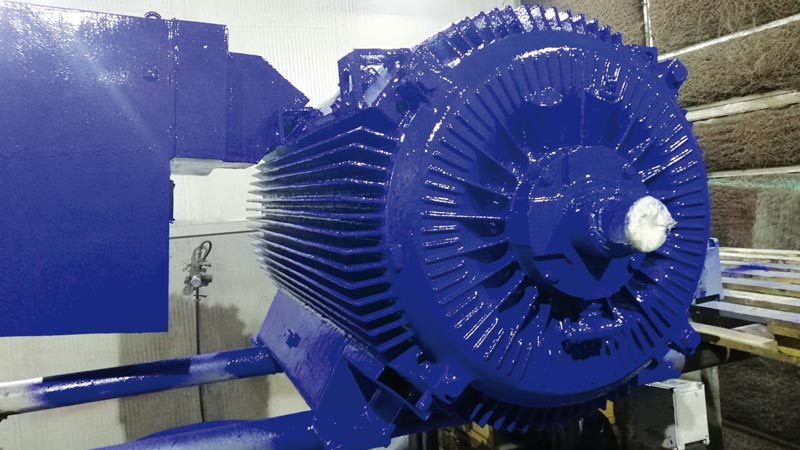
Elektromotor mit Lochfraß wurde mit einer Reparaturbeschichtung wieder instandgesetzt
Steel components near the sea must have high resistance to damaging environmental influences. Humidity, salty air and evaporation of chemicals cause accelerated corrosion. A coating system against such aggressive conditions can significantly extend the service life of components.
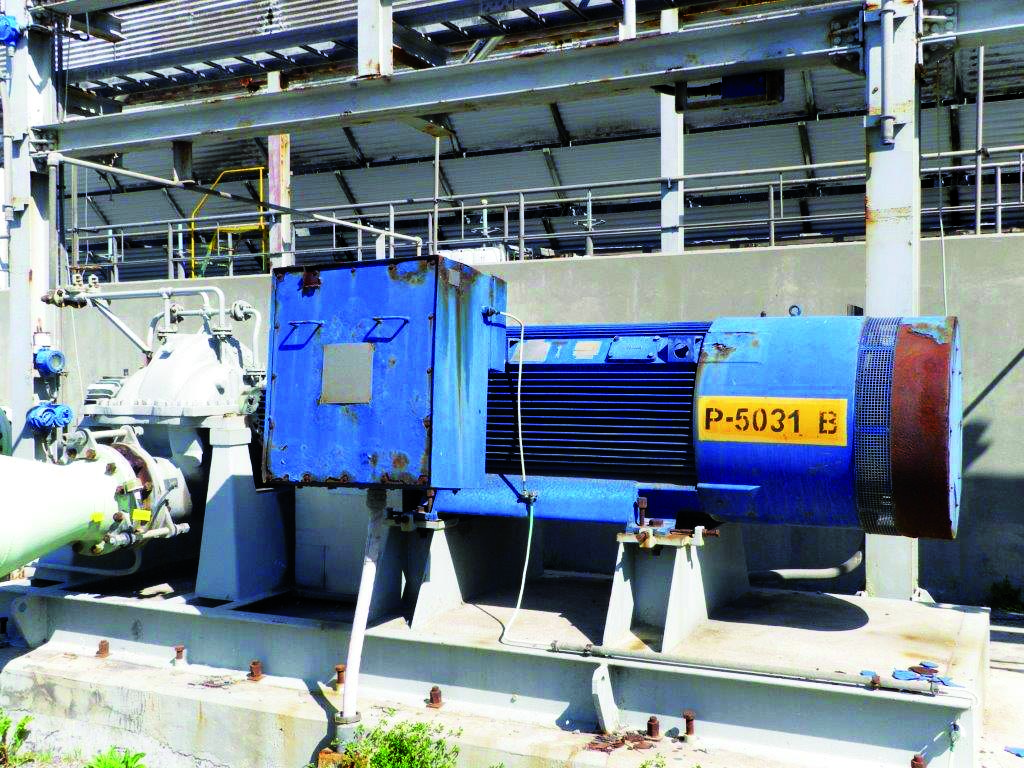
At the polypropylene plant of Hellenic Petroleum of Thessaloniki, a medium-voltage motor for the cooling water circulation pumps was recently restored. The ATEX-approved motor has been in service since 2000 and showed extremely severe erosion damage as well as pitting corrosion on the compressor housing and terminal box. A special repair coating, a high quality corrosion coating with an additional high performance topcoat from Chesterton, allowed the electric motor to be efficiently renewed and quickly returned to service.
Hellenic Petroleum was founded in 1998 and is one of the leading energy companies in Southeast Europe. The company's main activities include the processing and distribution of petroleum products and oil production. Ceramic Polymer GmbH, which merged with its Munich-based sister company in July 2019 and now operates under the name Chesterton International GmbH, was awarded the contract for the test repair of initially one of a total of four corroded engines.
Extremely aggressive environments
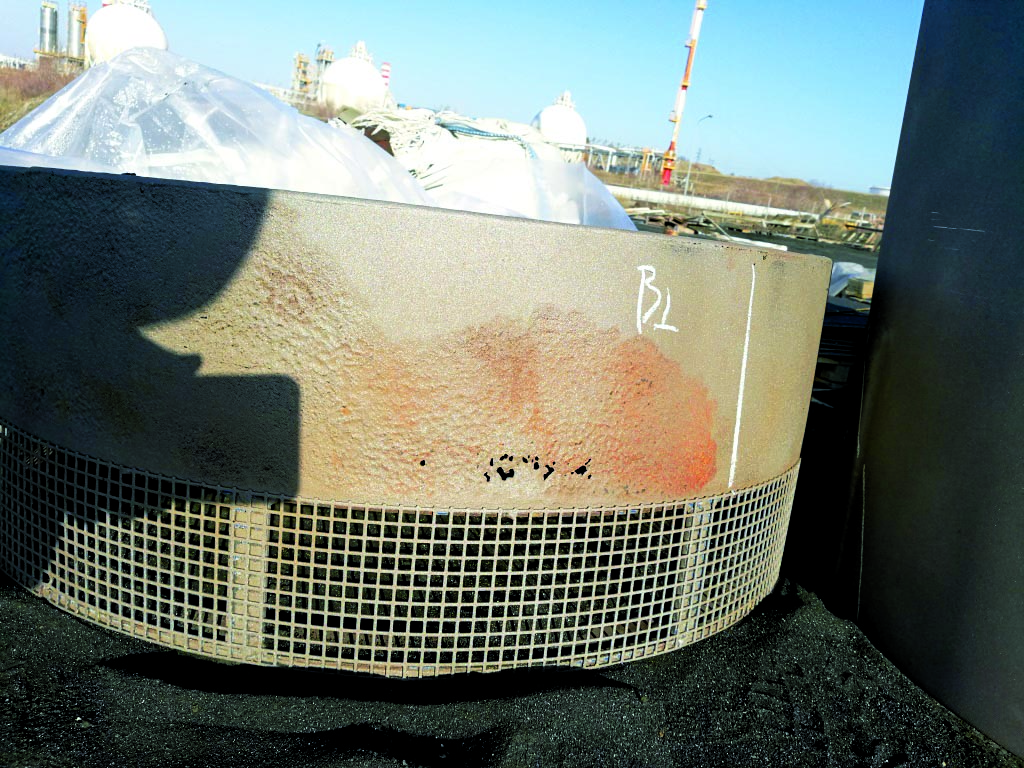
Hellenic Petroleum is located in Greece immediately adjacent to the sea. In such extreme atmospheres, the process components and steel parts must be highly resistant to the damaging environmental influences. Permanently humid, salty air and evaporation of the cooling water mixed with chemicals massively accelerate steel corrosion. After 19 years of service, the existing coating showed only inadequate protective properties. Advanced pitting corrosion was found on the housing of a total of four motors. Severe signs of corrosion were also visible on the fins of the motors themselves. The preparation of the steel substrate and the application of the coatings were expertly carried out by George Babalatsidis Co, the Chesterton partner for Greece.
Coating concept
For thorough preparation, the surfaces were cleaned with Industrial and Marine Degreaser 803(E) and then sandblasted to SA3 cleanliness level and an average roughness depth of 75 µm. For the subsequent build-up and further leveling of the damaged surfaces, Chesterton used a ceramic-reinforced 2K thick film epoxy-based abrasion protection system: ARC 858(E) is a solvent-free repair coating used for metal surfaces subject to erosion, corrosion and chemical attack. The cure time in this case was 20 hours at 15 °C.
Due to its ideal physical properties, the 2K epoxy-based Ceramic-Polymer STP-EP-HV ceramic composite coating has already been used as both an exterior and interior coating for a wide variety of tanks and steel structures. This coating exhibits high abrasion resistance as well as robust corrosion protection against aggressive atmospheres. Prior to the application of this protective coating, the surfaces were again blasted or, in the area of the repairs, roughened by means of sweeping. The application took place in two steps: Corners, edges, ventilation grilles and the louvers were primed with a brush and roller in order to increase the overall coating thickness in these sensitive areas. Subsequently, a layer thickness of 350 µm was applied to all surfaces by airless spraying. The drying time here was also 20 hours at a room temperature of 20 °C.
The top coat was applied with a highly crosslinked, UV-stable 2K polyurethane topcoat: Proguard 169(37) was also applied to corners and edges by brush, then applied wet-on-wet by airless spraying in two coats with a total thickness of 80 µm.
High protection requirements against aggressive environments
The coatings used meet the requirements of ISO 12944-2 in corrosivity category C5 and are therefore suitable for the protection of steel substrates in industrial areas with high humidity in aggressive environments. In addition, the products grant durable resistance to the components of cooling water such as sulfuric acid, sodium hypochlorite, NALCO - special chemicals for cooling water conditioning such as zinc chloride, phosphoric acid, methanol, formaldehyde.
Rapid recommissioning
For the effective build-up of erosion-damaged components, especially for process components such as pumps, machine elements and motors, the coatings of Chesterton's ARC Efficiency & Protective Coatings line are suitable. Together with the ceramic polymer products, this provides optimum protection against corrosion and erosion. Rapid curing times allow for quick return to service and thus short equipment downtimes. In addition, depending on the product and type of components, these can be further shortened by post-curing if necessary.
The easy-to-apply protective systems convinced Hellenic Petroleum. After the successful rehabilitation of the first engine, the company therefore decided to have the remaining three engines, which had been severely damaged by pitting corrosion, treated with the Chesterton systems as well. The rehabilitation saves the Greek oil processor from Thessaloniki an expensive new purchase of the housings because the components are now fully operational for another few years.
► Chesterton International GmbH
► www.aw-chesterton.de